
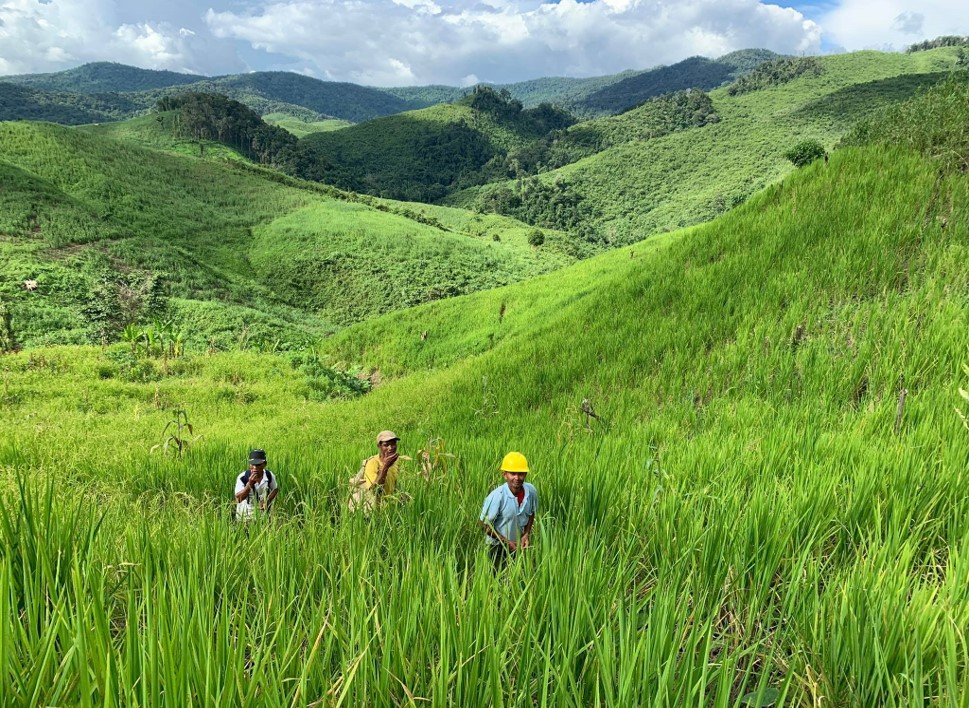
What We Do
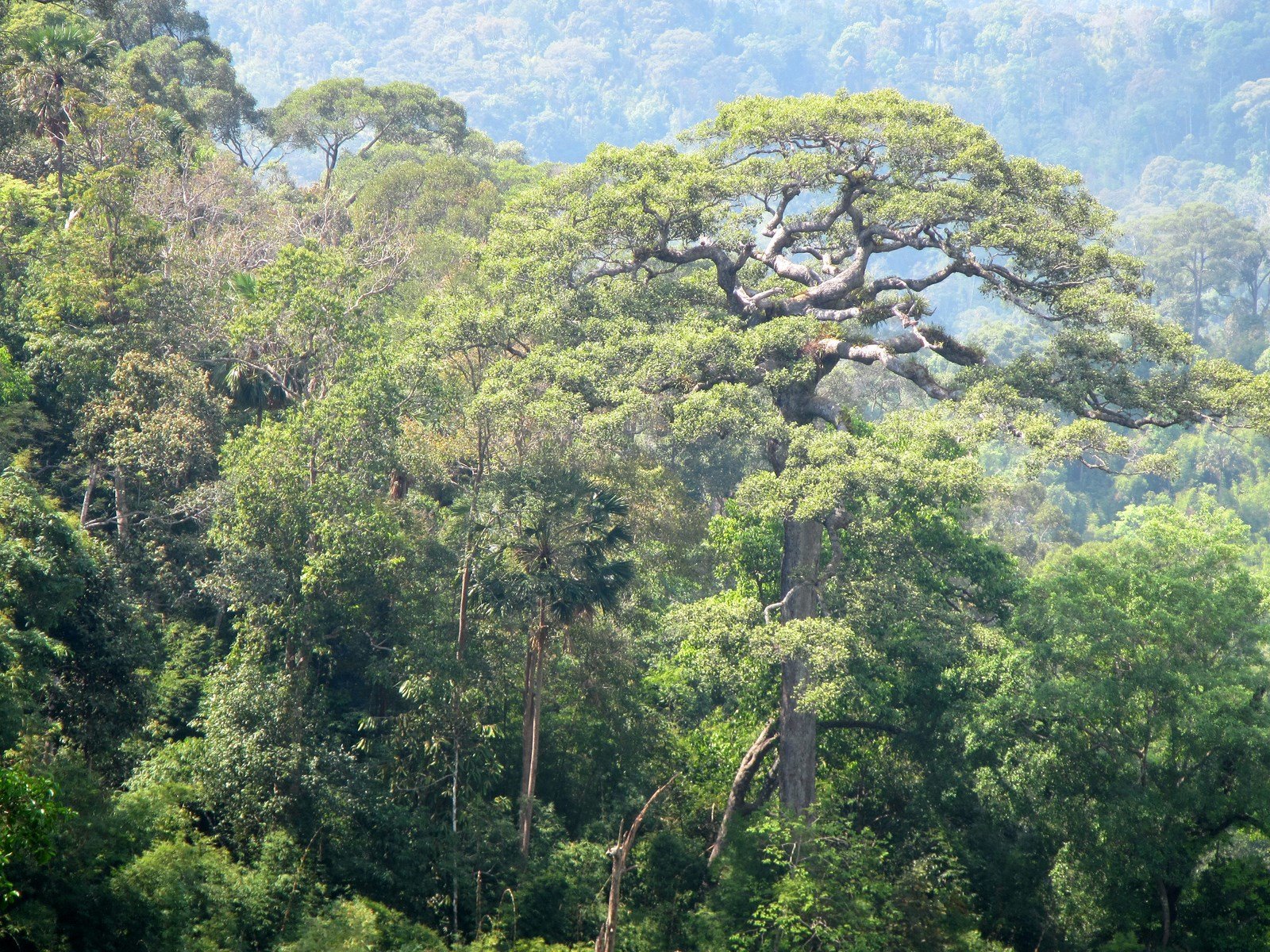
Forest Protect Area
community in action
Key Objective
We implement the Lao PDR Emission Reductions Program through a structured, step-by-step approach that begins at village level and strengthens governance from local to provincial levels.
Our activities follow a clear implementation pathway:
1. Free, Prior and Informed Consent (FPIC)
We begin by ensuring communities are fully informed and voluntarily agree to participate. Through Free, Prior and Informed Consent (FPIC), villagers receive transparent information about project objectives, activities, and potential impacts. This ensures participation is inclusive and community-driven from the outset.
2. Participatory Land Use Planning (PLUP)
Through Participatory Land Use Planning (PLUP), communities map village boundaries, identify forest and agricultural zones, and develop agreed land use plans. This reduces land-use conflicts and creates a foundation for sustainable resource management.
3. Village Forest Management Planning (VFMP)
Village Forest Management Planning (VFMP) supports communities in developing forest management plans that define conservation areas, sustainable use zones, and restoration priorities. These plans guide responsible forest stewardship at village level.
4. Promotion of Sustainable Agriculture Practices (PSAP)
Under the Promotion of Sustainable Agriculture Practices (PSAP), farmers receive training and technical support and deforestation-free farming methods. These practices improve productivity while reducing pressure on forest areas.
5. Village Forest and Agriculture Grants (VFAG)
Through Village Forest and Agriculture Grants (VFAG), communities receive financial support to implement approved forest conservation, restoration, and sustainable livelihood activities. This empowers villages to translate planning into concrete action.
Forest Protect Area
community in action
Forest Protect Area
community in action
6. Forest Landscape Restoration (FLR)
Forest Landscape Restoration (FLR) focuses on identifying degraded areas and restoring forest ecosystems. This includes technical training on seedling production, species selection, and restoration planning under annual operational plans.
7. Provincial Deforestation Monitoring System (PDMS)
The Provincial Deforestation Monitoring System (PDMS) strengthens forest monitoring, reporting, and transparency. It enables authorities to track forest change, measure emission reductions, and support evidence-based decision-making.
Impact at a Glance
Together, these efforts reduce greenhouse gas emissions, protect forest ecosystems, strengthen governance systems, and improve rural livelihoods across the Emission Reductions Program area.
Program Coverage and Impact
6 provinces, 27 districts, 572 villages, 273,700 people directly benefiting
723,382 people indirectly benefiting Expected to mitigate approximately 5.6 million tCO₂eq
Contributing to unlocking up to USD 42 million in REDD+ results-based payments

Climate Protection through Avoided Deforestation