
About Us
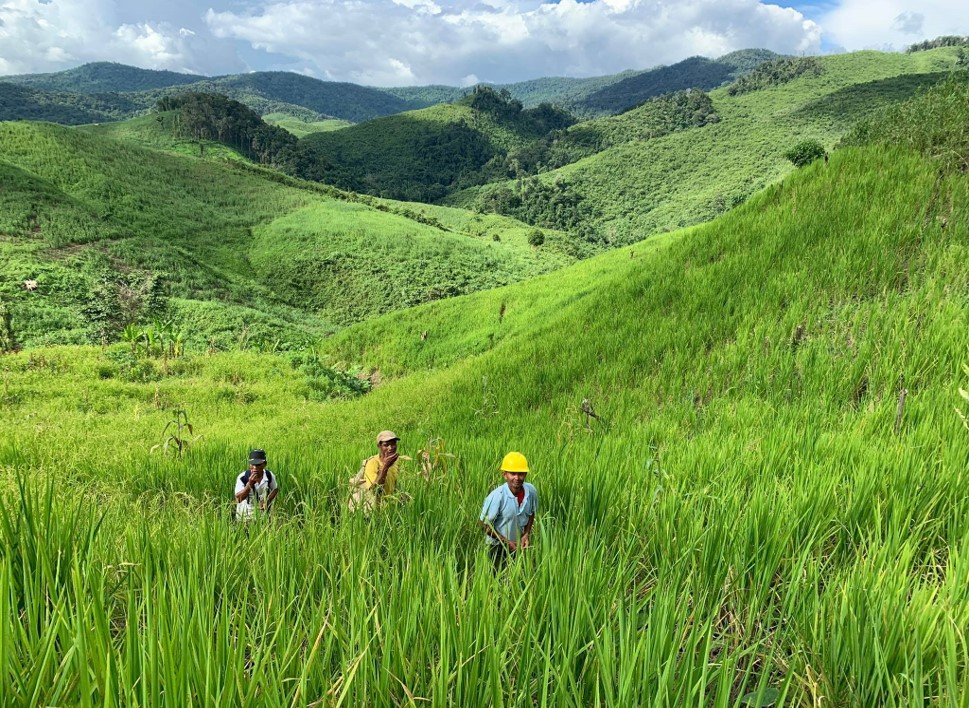
Forest patrolling
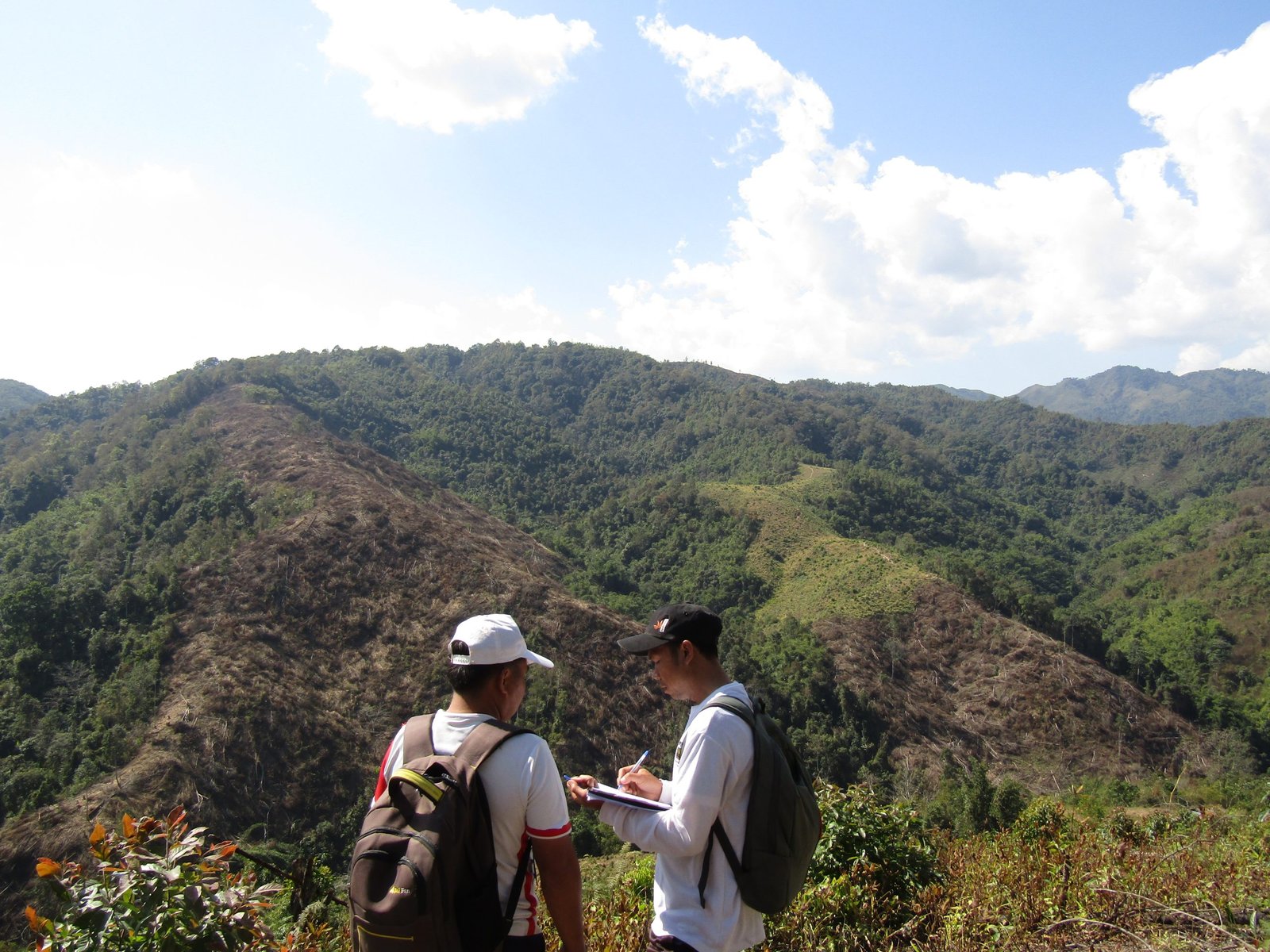
Participatory Land Use Planning 2.0
Lao PDR is one of the most forest-rich countries in Southeast Asia, with forests covering nearly 58% of its land area. More than 70% of the population lives in or near forest landscapes and depends on them for food security, income, and cultural identity. However, deforestation and forest degradation continue to threaten these ecosystems and contribute to climate change.
The Climate Protection through Avoided Deforestation (CliPAD) initiative was established to respond to these challenges by strengthening forest governance and promoting sustainable forest landscape management. CliPAD supports the implementation of the Lao PDR Emission Reductions Program and aims to reduce greenhouse gas emissions while improving rural livelihoods in forest-dependent communities.
In 2019, the Green Climate Fund approved the project “Implementation of Governance, Forest Landscapes and Livelihoods (I-GFLL, FP117)”. Building on its achievements, a second phase, “Scaling up Implementation of Governance, Forest Landscapes Management (SU I-GFLM, FP200)”, was launched to expand and deepen the program’s impact.
Together, these phases run from July 2019 to March 2027 and support improved governance, sustainable land use, and long-term forest landscape management across the Emission Reductions Program area.
CliPAD is implemented in close partnership with the Department of Forestry, the Environment and Forest Protection Fund (EFF), the Provincial Agriculture and Environment Office, and the District Agriculture and Environment Office under the Ministry of Agriculture and Environment.
Phase One (May 2020 – May 2024)
The first phase focused on Houaphan, Luang Prabang, and Sayaboury provinces. It strengthened forest governance systems, supported Participatory Land Use Planning (PLUP), promoted Sustainable Agricultural Practices (PSAP), and improved forest management at provincial and district levels.
Phase Two (March 2023 – March 2027)
Building on these results, the second phase expands activities to additional provinces and districts. It further strengthens institutional capacity, enhances sustainable land and forest management, and supports communities in protecting forest landscapes while improving livelihoods.
Together, these efforts contribute to reducing greenhouse gas emissions and strengthening climate resilience for rural communities across the program area.
Forest patrolling
Participatory Land Use Planning 2.0

Climate Protection through Avoided Deforestation