
Participatory Forest Management in Phoutin Village, Nalae District, Luangnamtha Province
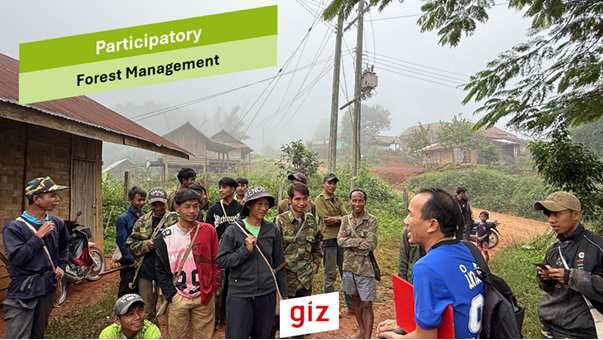
As part of the 2025 Annual Operational Plan (AOP), the Climate Protection through Avoided Deforestation (CliPAD) project collaborated with villagers and local authorities in Phoutin Village, Nalae District, to strengthen participatory forest governance and support the sustainable management of village forest resources.
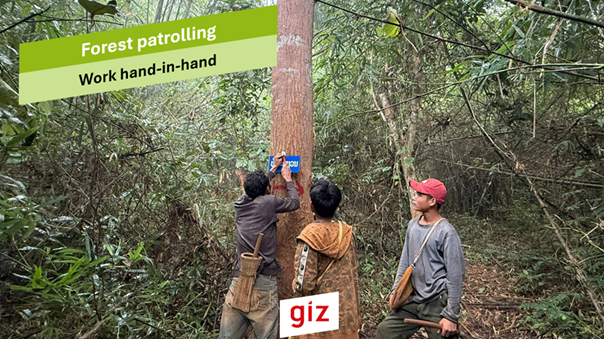
During this activity consisted of forest patrolling, reviewing priority areas for protection, and worked with villagers to classify the forest into three designated types (protection, conservation, and production). This process helps clarify which areas require strict safeguarding, which are managed for biodiversity values, and which can be used for regulated community needs such as non-timber forest products. The activity also included hands-on demonstrations on forest fire prevention and discussions around long-term forest restoration and management measures.
Key outcomes of the activity include:
- Strengthened village awareness of forest functions and clear roles in protection and sustainable use
- Improved coordination between villagers, DAFO, and the CliPAD project on forest governance
- A shared understanding of fire risks and practical prevention strategies prior to the dry season
- A stronger basis for future restoration activities and village-level planning under the AOP
By combining community knowledge with technical support, Phoutin Village is taking important steps toward healthier forest ecosystems, reduced fire risks, and enhanced resiliencecontributing to Lao PDR’s climate commitments and long-term sustainable forest management goals.
ການບໍລິຫານປ່າໄມ້ແບບມີສ່ວນຮ່ວມ ຢູ່ບ້ານພູທິນ ເມືອງນາແລ ແຂວງຫຼວງນໍ້າທາ
ພາຍໃຕ້ແຜນປະຕິບັດງານປະຈໍາປີ 2025 (AOP) ໂຄງການ ການປົກປ້ອງກັນດິນຟ້າອາກາດໂດຍການຫຼີກລ້ຽງການທໍາລາຍປ່າໄມ້ (CliPAD) ໄດ້ຮ່ວມມືກັບປະຊາຊົນບ້ານພູທິນ ແລະ ພາກສ່ວນທ້ອງຖິ່ນໃນເມືອງນາແລ ເພື່ອເສີມສ້າງການບໍລິຫານປ່າໄມ້ແບບມີສ່ວນຮ່ວມ ແລະ ສົ່ງເສີມການນໍາໃຊ້ຊັບພະຍາກອນປ່າໄມ້ຢ່າງຍືນຍົງ.
ກິດຈະກໍານີ້ປະກອບມີການອອກຕວດການປ່າ, ການກໍານົດພື້ນທີ່ປ້ອງກັນທີ່ມີຄວາມສໍາຄັນ, ແລະ ການຈັດແບ່ງປ່າຂອງບ້ານເປັນ 3 ປະເພດ: ປ່າປ້ອງກັນ, ປ່າອນຸລັກ ແລະ ປ່າໃຊ້ສອຍ. ການຈັດແບ່ງນີ້ຊ່ວຍໃຫ້ຊຸມຊົນເຂົ້າໃຈຊັດເຈນວ່າພື້ນທີ່ໃດຈໍາເປັນຕ້ອງປົກປ້ອງຢ່າງເຂັ້ມງວດ, ພື້ນທີ່ໃດເປັນເຂດອະນຸລັກທາງຊີວະນາໆພັນ, ແລະ ພື້ນທີ່ໃດທີ່ສາມາດນໍາໃຊ້ໄດ້ຕາມຂໍ້ກໍານົດຂອງບ້ານ. ນອກຈາກນັ້ນ ທີມງານຍັງໄດ້ສະແດງການປ້ອງກັນໄຟປ່າແບບປະຕິບັດຈິງ ແລະ ປຶກສາກ່ຽວກັບແນວທາງການຟື້ນຟູປ່າໃນລະຍະຍາວ.
ຜົນລັບທີ່ໄດ້ຮັບປະກອບມີ:
- ຊຸມຊົນມີຄວາມເຂົ້າໃຈກ່ຽວກັບບົດບາດ ແລະ ໜ້າທີ່ໃນການປົກປ້ອງ ແລະ ນໍາໃຊ້ປ່າຢ່າງຍືນຍົງ
- ເພີ່ມພູນການປະສານງານລະຫວ່າງບ້ານ, ສຳນັກ DAFO ແລະ ໂຄງການ CliPAD
- ມີຄວາມເຂົ້າໃຈຮ່ວມກັນເກືອບໄຟປ່າ ແລະ ແນວທາງປ້ອງກັນກ່ອນເຂົ້າລະດູແຫ້ງ
- ວາງຮາກຖານສໍາລັບກິດຈະກໍາຟື້ນຟູ ແລະ ການວາງແຜນລະດັບບ້ານຕາມ AOP ໃນອະນາຄົດ
ຜ່ານການປະສານຮູ້ທ້ອງຖິ່ນ ກັບການສະໜັບສະໜູນທາງເທັກນິກຈາກ CliPAD ຊ່ວຍໃຫ້ບ້ານໂພນທິນກ້າວໜ້າສູ່ປ່າໄມ້ທີ່ມີສຸຂະພາບດີຂຶ້ນ, ຄວາມສ່ຽງໄຟປ່າທີ່ຫຼຸດຜ່ອນ ແລະ ຄວາມທົນທານທີ່ເພີ່ມຂຶ້ນ ຊຶ່ງເປັນສ່ວນສຳຄັນຕໍ່ເປົ້າໝາຍດ້ານດິນຟ້າອາກາດ ແລະ ການບໍລິຫານປ່າໄມ້ຢ່າງຍືນຍົງຂອງປະເທດລາວ.