
From Policy to People: Strengthening Climate Resilience in Northern Laos
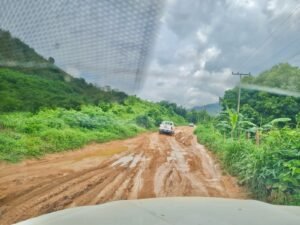
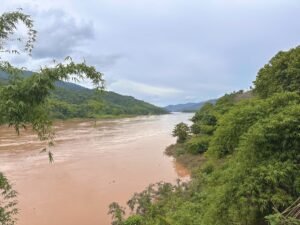
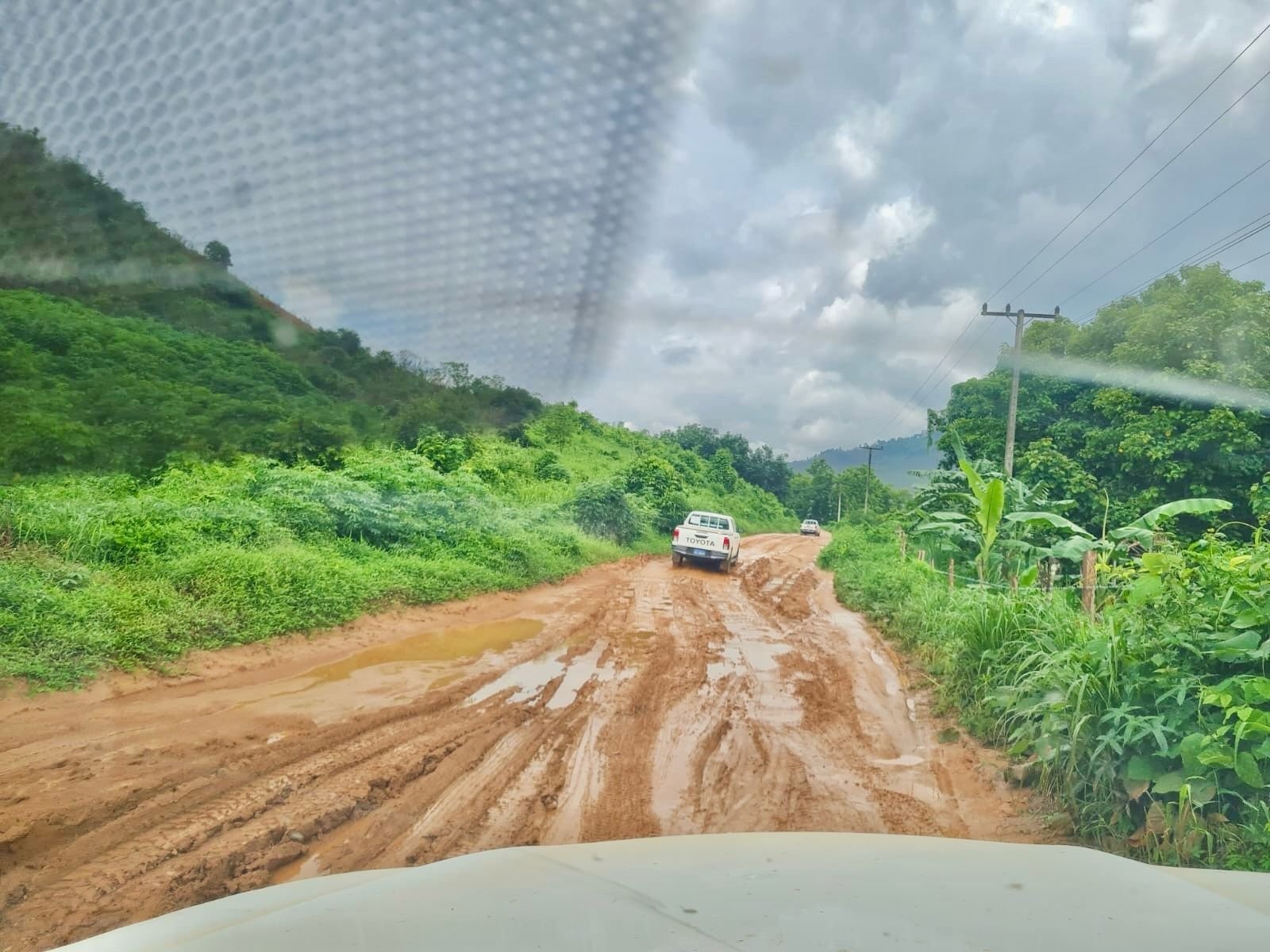
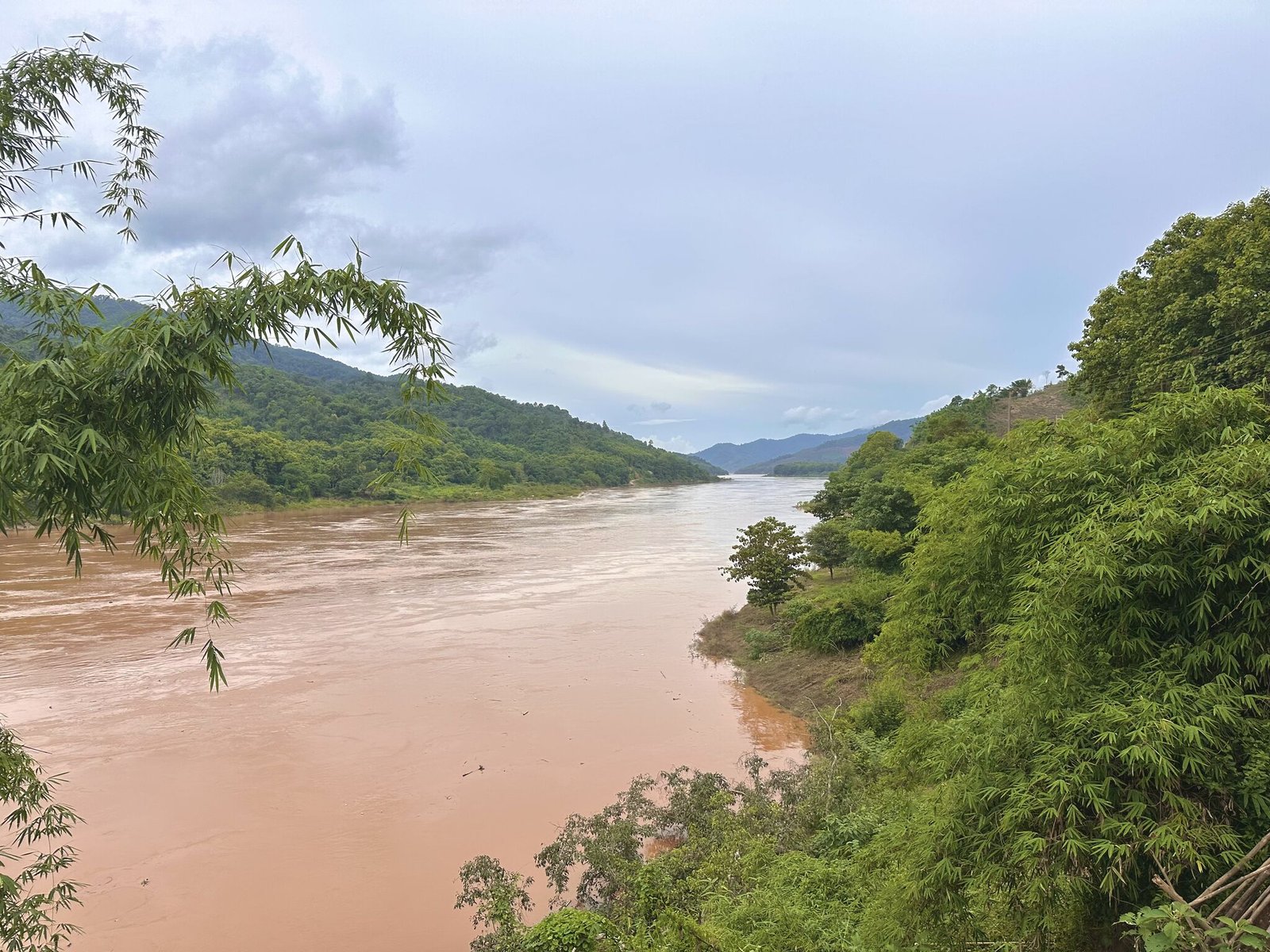
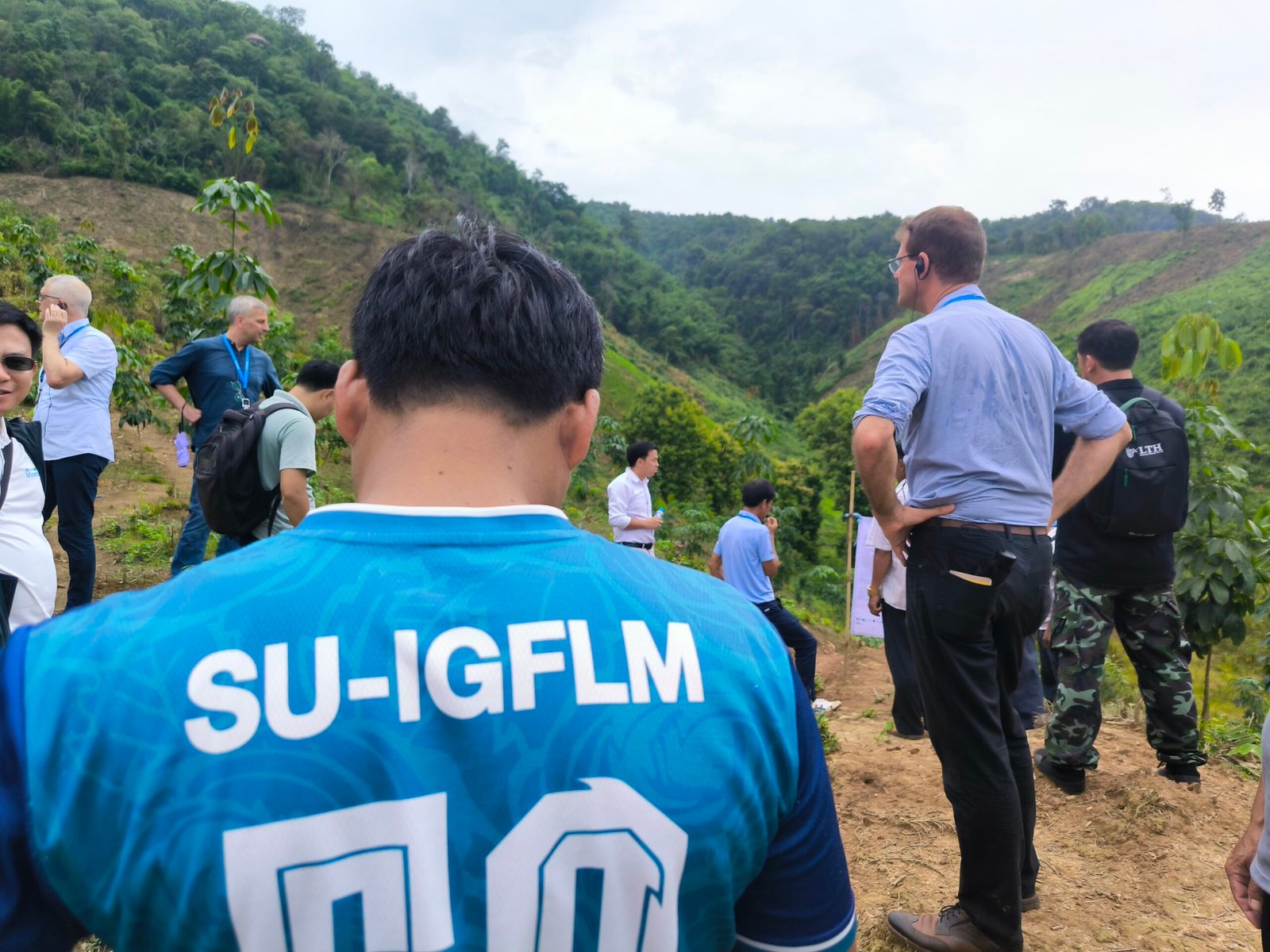
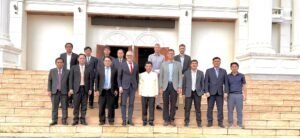
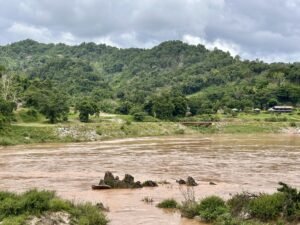
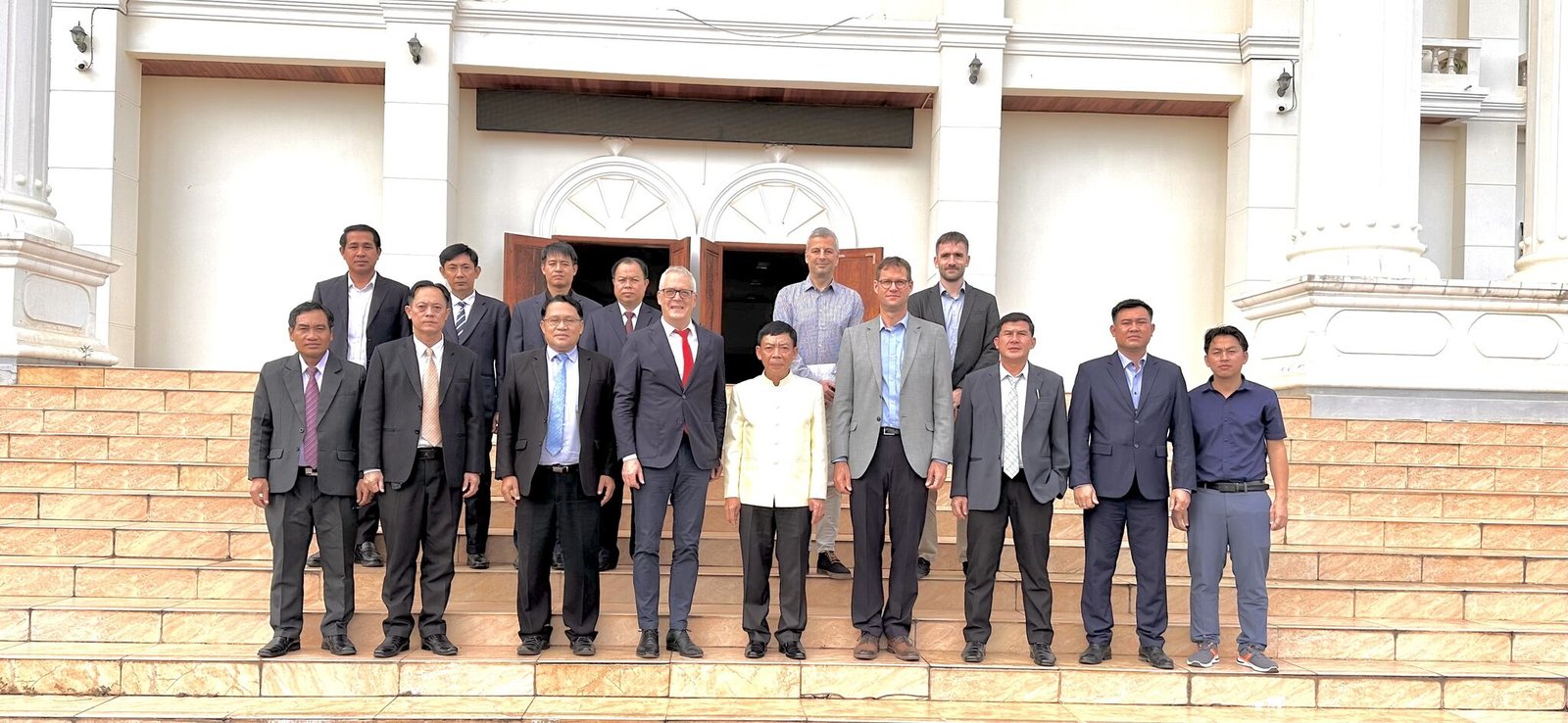
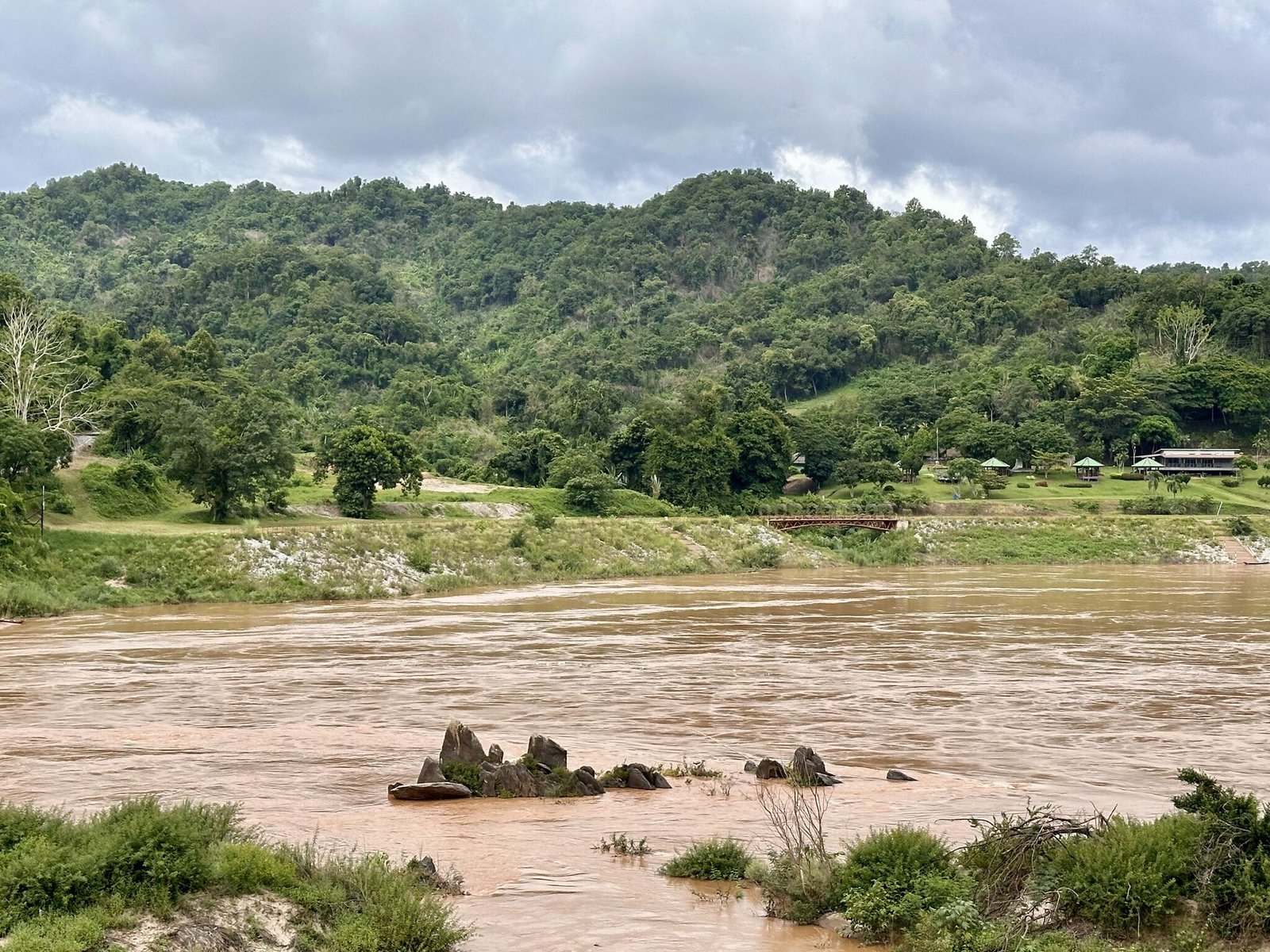
Last week, GIZ´s Head of Division Asia 1, Mr. Marcus Lange, traveled to northern Laos to visit project activities in Bokeo Province, tone of the key regions in the Golden Triangle where the borders of Laos, Thailand, and Myanmar meet. This area is not only rich in cultural heritage but home to some of the region’s most critical forest landscapes.
The visit marked a significant milestone in scaling up forest protection and climate action under the project Climate Protection through Avoided Deforestation (CliPAD). In cooperation with the Provincial Agriculture and Forest Office, the project is now expanding across four districts in Bokeo, covering over 80 villages.
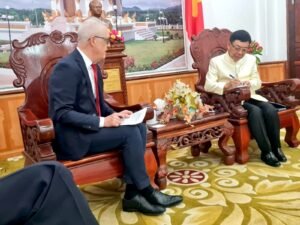
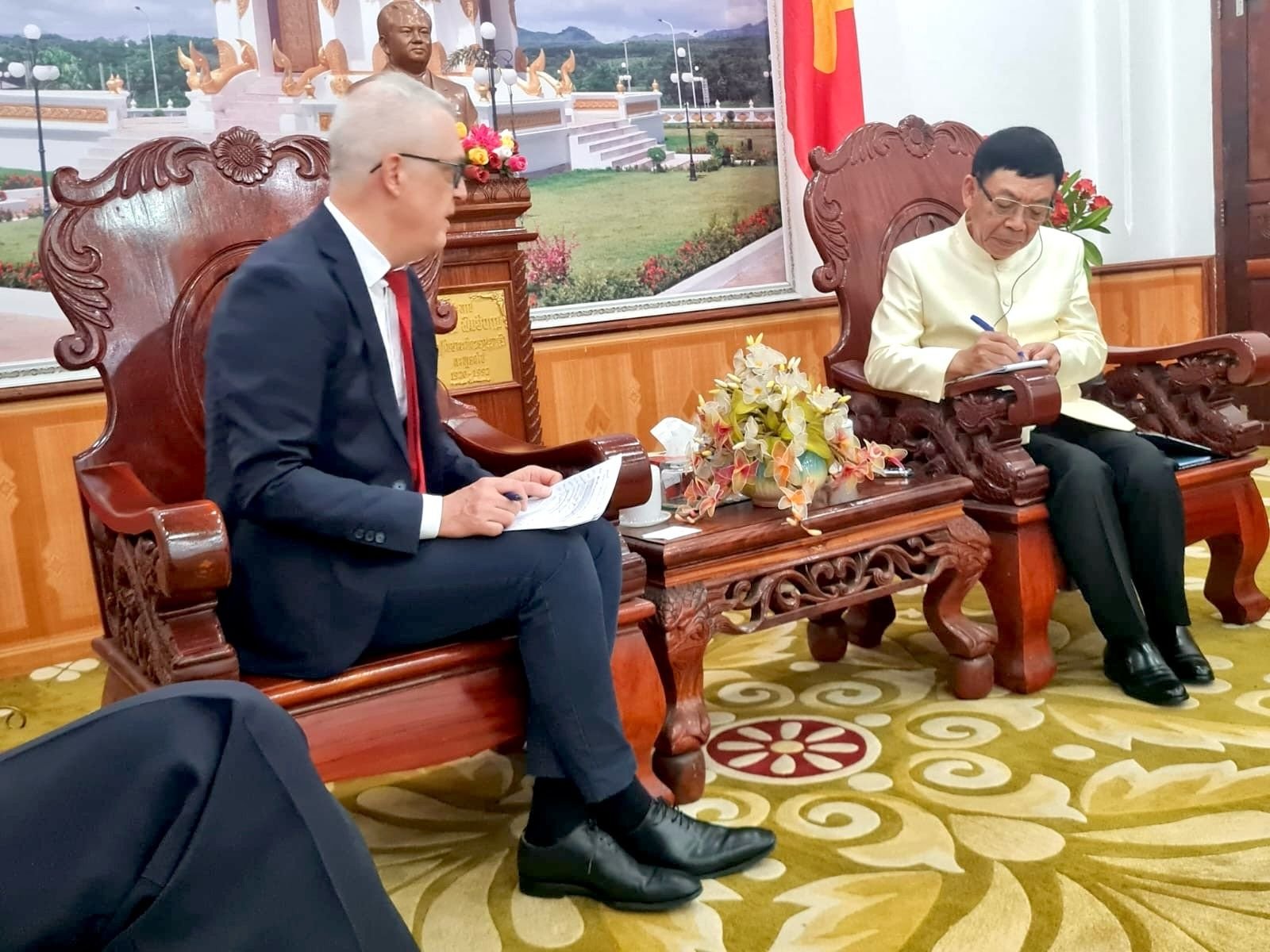
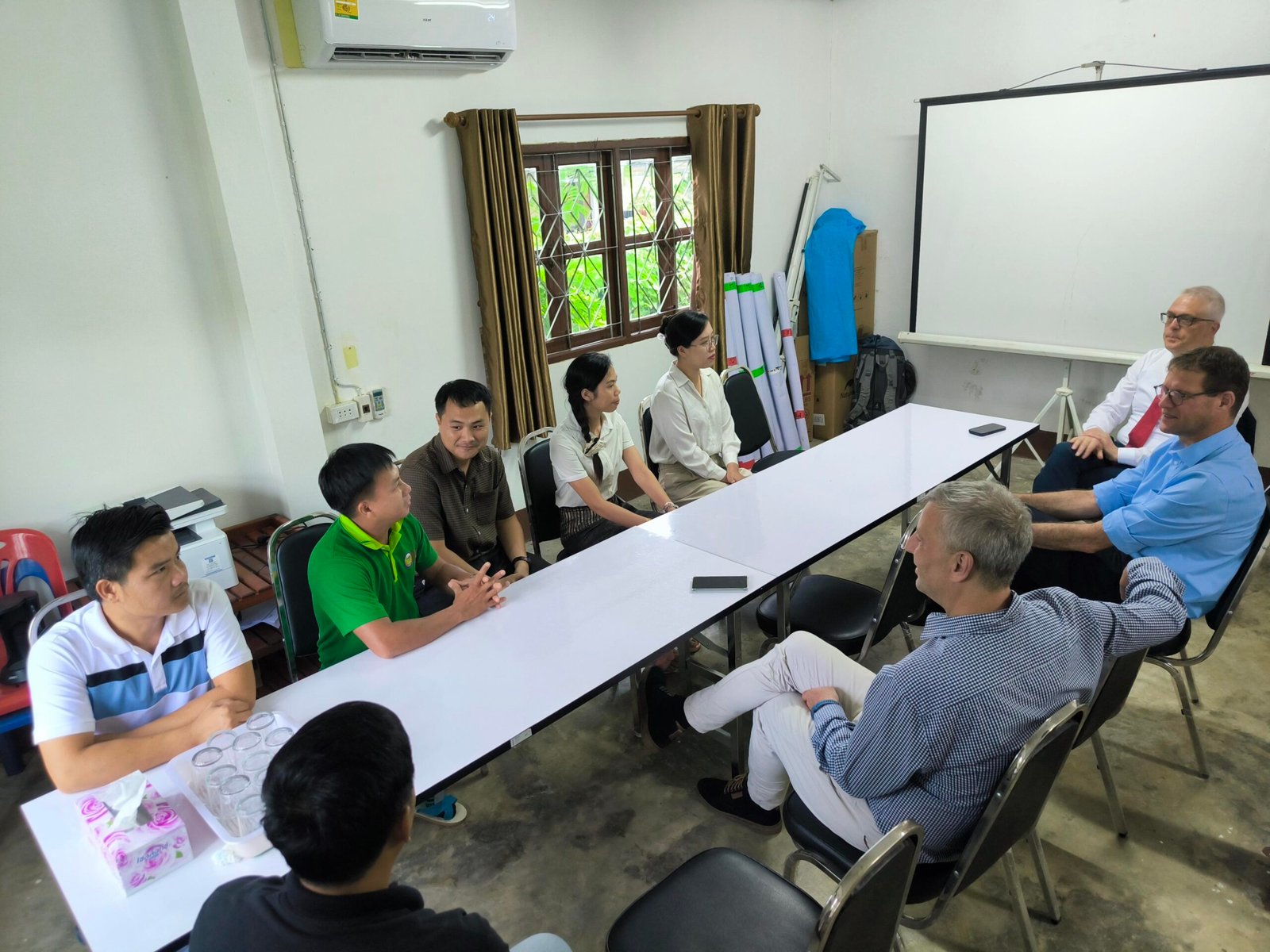
During his visit, Marcus met with Dr. Thongchanh Manixay, Governor of Bokeo Province, reaffirming the province’s growing political commitment to climate resilience and sustainable land use. Their shared vision: to position Bokeo as a model for green transformation in the region.
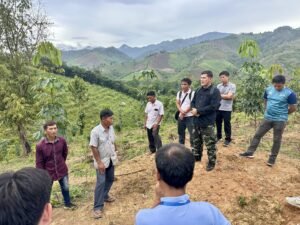
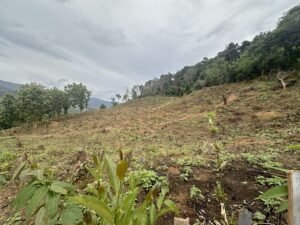
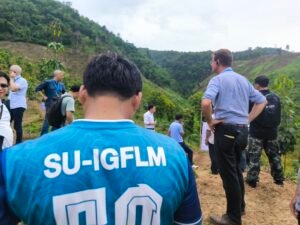
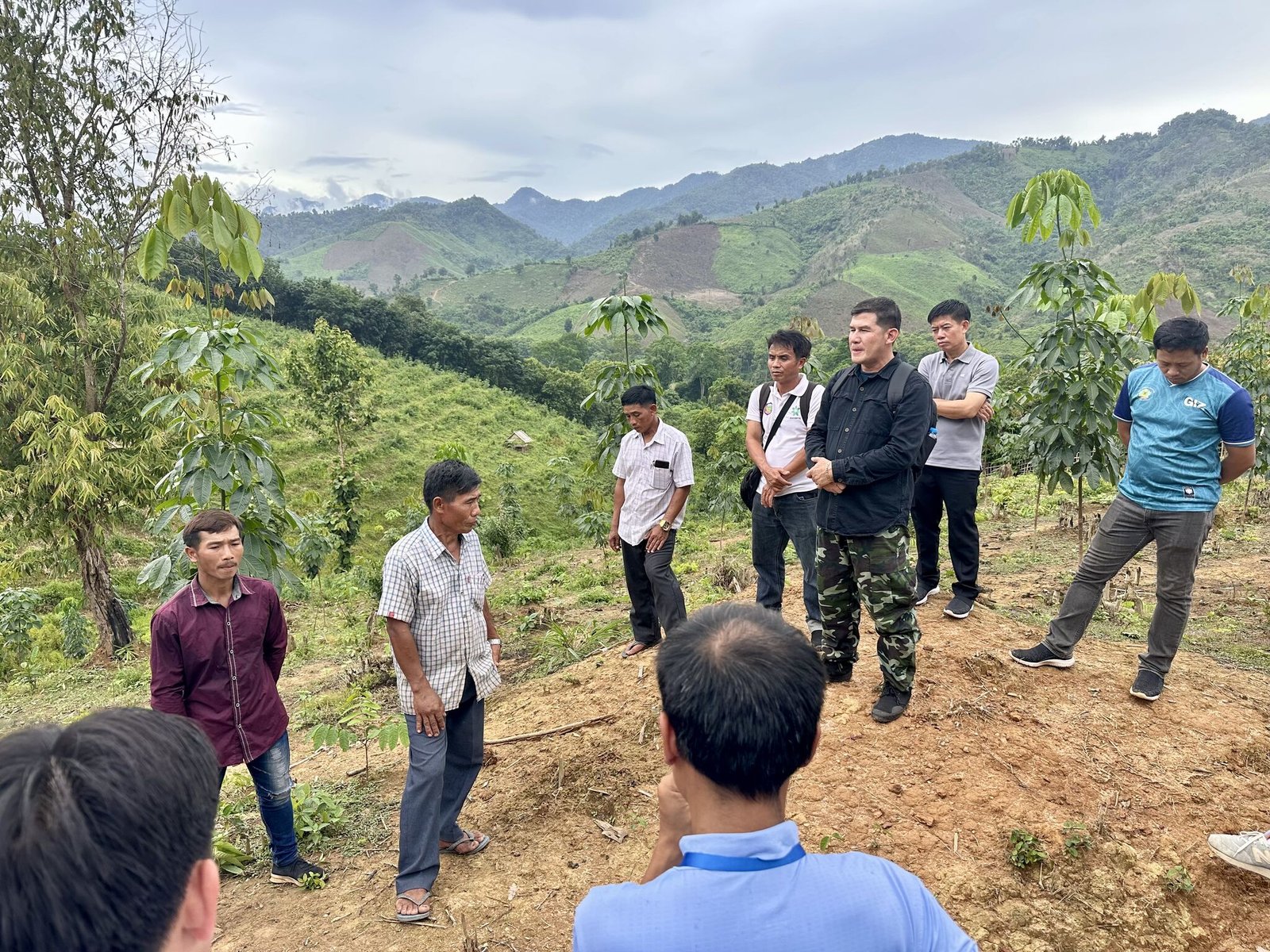
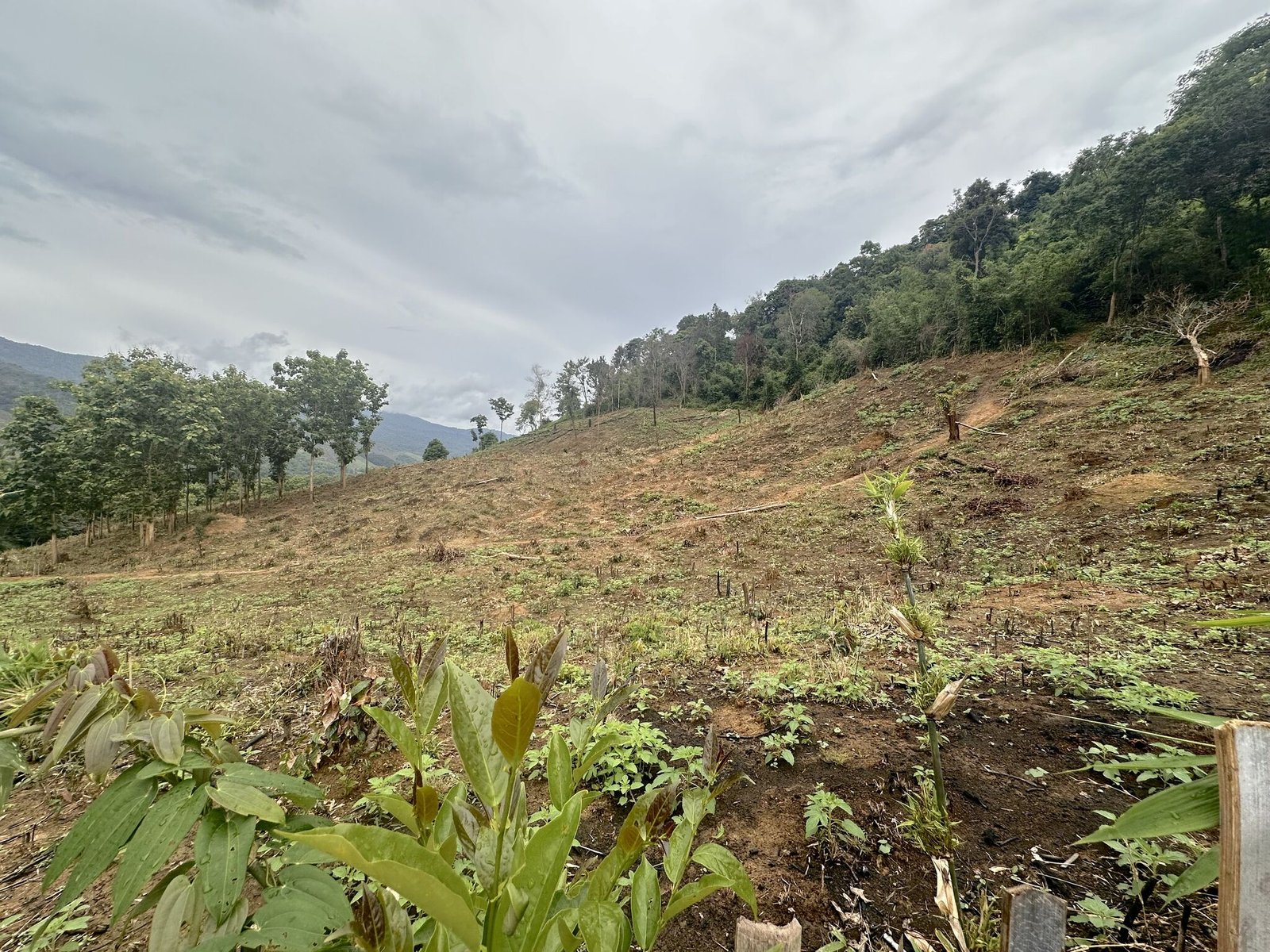
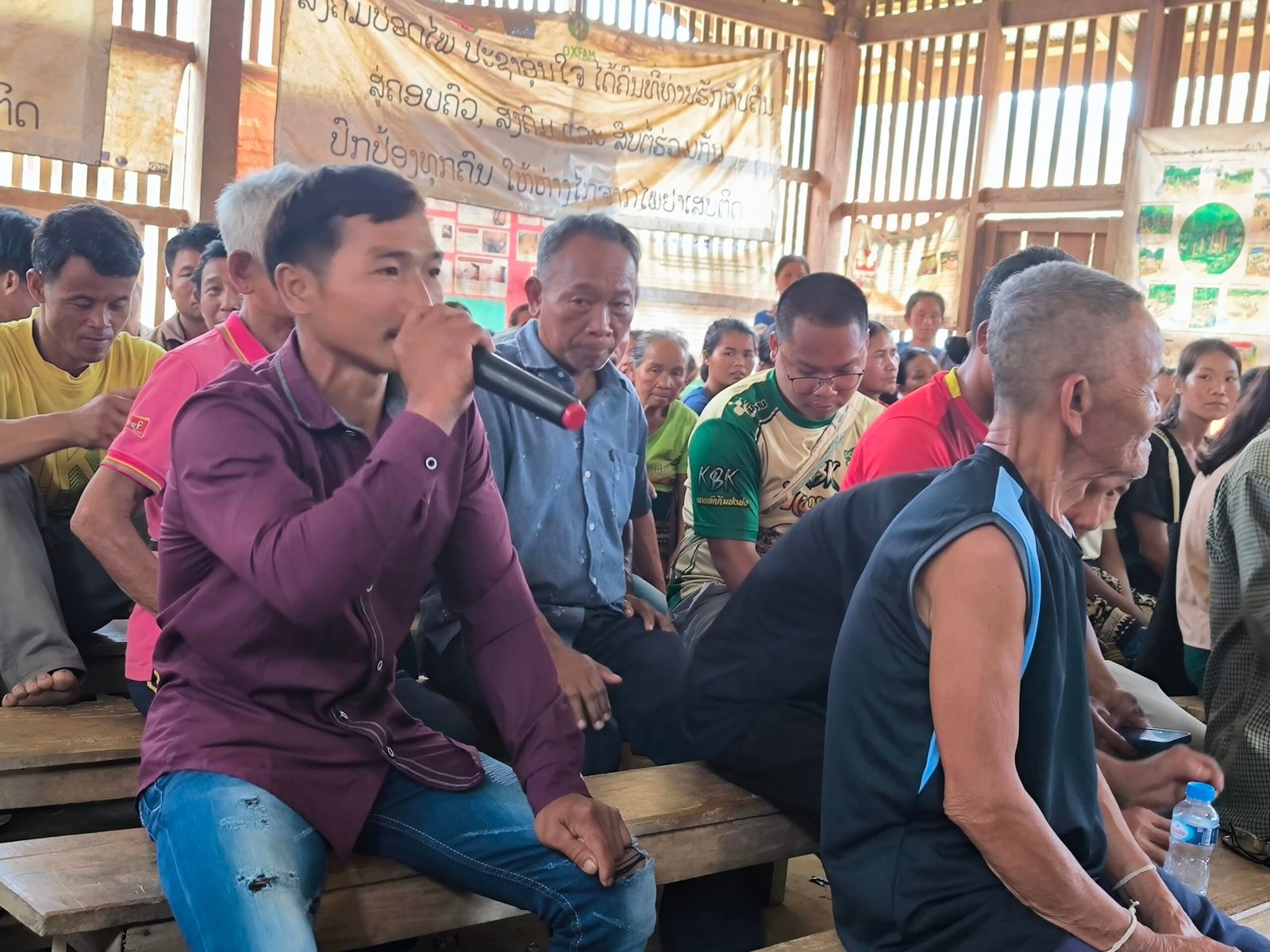
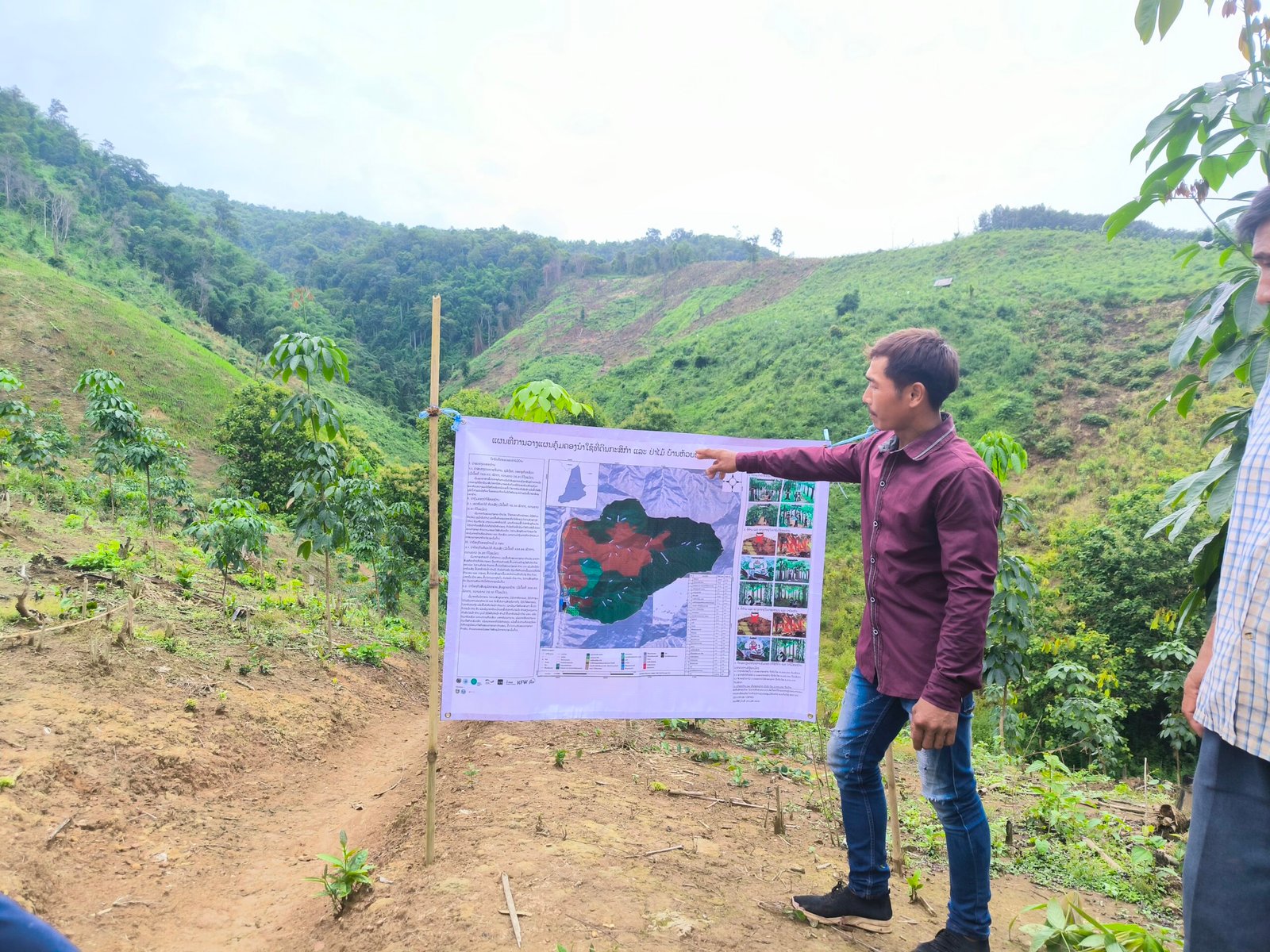
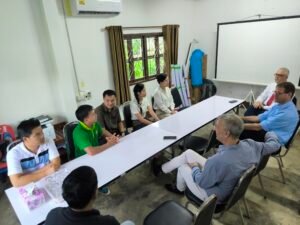
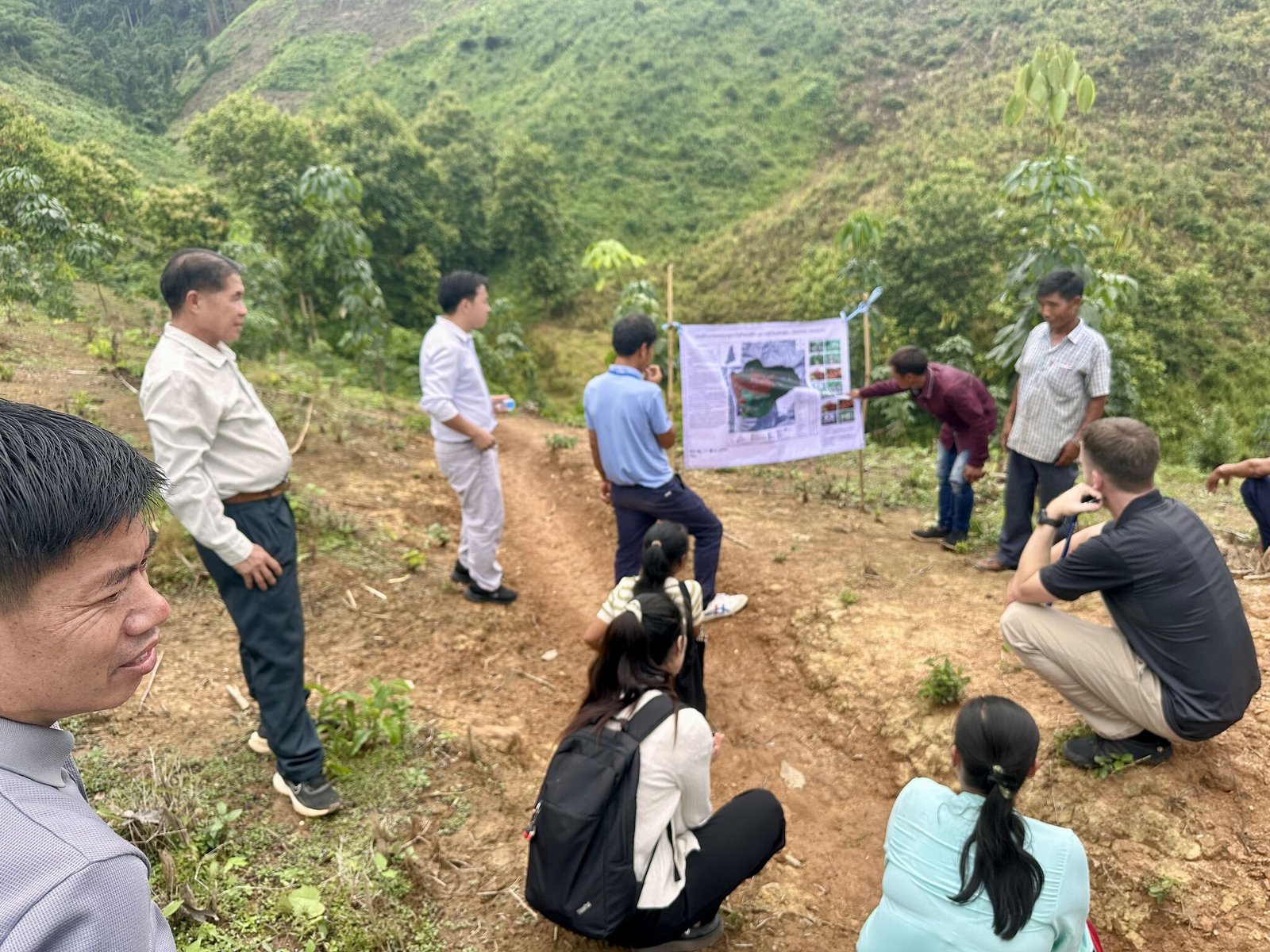
Another remarkable moment was talking directly to local communities who are actively restoring forests, protecting their environment, and benefiting from sustainable livelihoods. Their work shows that climate action is not only possible but already happening.
In total CliPAD supports over 2 million hectares of land including forests and agricultural areas through sustainable and integrated management practices. That’s 35% of the country’s territory and a direct impact on 270,000 people in 572 villages.
To ensure transparency and long-term success, satellite-based monitoring systems are in place to track forest conditions and support local enforcement efforts. It’s a clear example of how data, policy, and community engagement can come together to fight climate change.
“This is more than a development project,” Marcus reflected. “It’s proof that local action, when backed by political will and international cooperation, can drive real change in the face of a global climate crisis.”
The Climate Protection through Avoided Deforestation (CliPAD) Project is supported by the German Federal Ministry for Economic Cooperation and Development (BMZ) and the Green Climate Fund (GCF) and implemented by GIZ in partnership with the Government of Lao PDR. As a key component of Lao PDR’s international climate finance strategy, CliPAD promotes sustainable forest management, sustainable agriculture practices, REDD+ implementation, and community-based land use planning. The project is carried out in close collaboration with bilateral and multilateral partners, including ADB, JICA, IFAD, KfW, the World Bank, and private sector actors. #CliPAD #ClimateAction #ForestProtection #SustainableDevelopment #REDDplus #GIZ #Laos #GreenClimateFund #BMZ #BokeoProvince #ClimateResilience
ຈາກນະໂຍບາຍ ສູ່ ປະຊາຊົນ: ເພີ່ມທະວີຄວາມສາມາດໃນການປັບຕົວເຂົ້າກັບ ການປ່ຽນແປງ ຂອງ ດິນຟ້າອາກາດ ຢູ່ ທາງພາກເໜືອ ຂອງ ລາວ
ໃນອາທິດທີ່ຜ່ານມານີ້, ຫົວໜ້າພະແນກອາຊີ 1 ຂອງ GIZ, ທ່ານ ມາກູດສ໌ ລັງຈ໌ (Marcus Lange), ໄດ້ເດີນທາງໄປ ແຂວງບໍ່ແກ້ວ, ພາກເໜືອຂອງ ສປປ ລາວ, ເຊິ່ງເປັນໜຶ່ງ ໃນບັນດາພື້ນທີ່ ທີ່ສຳຄັນ ໃນເຂດສາມຫຼ່ຽມທອງຄຳ ທີ່ເປັນຈຸດຊາຍແດນ ລະຫວ່າງ ລາວ, ໄທ ແລະ ມຽນມາ. ພື້ນທີ່ດັ່ງກ່າວນີ້ ບໍ່ພຽງແຕ່ອຸດົມສົມບູນໄປດ້ວຍ ມໍລະດົກທາງວັດທະນະທໍາເທົ່ານັ້ນ, ແຕ່ກໍຍັງເປັນທີ່ຕັ້ງ ຂອງ ພູມິທັດປ່າໄມ້ ທີ່ສໍາຄັນທີ່ສຸດໃນພາກເຫນືອ.
ການຢ້ຽມຢາມຄັ້ງນີ້ ເປັນຂີດໝາຍທີ່ສຳຄັນ ໃນການຜັນຂະຫຍາຍ ກິດຈະກໍາ ທີ່ຕິດພັນກັບ ການປົກປັກຮັກສາປ່າໄມ້ ແລະ ການແກ້ໄຂ ບັນຫາການປ່ຽນແປງ ຂອງ ດິນຟ້າອາກາດ ພາຍໃຕ້ ໂຄງການປ້ອງກັນດິນຟ້າອາກາດ ໂດຍຫຼີກລ້ຽງການທຳລາຍປ່າໄມ້ ຫລື ໂຄງການ CliPAD ໂດຍການຮ່ວມມືກັນກັບ ພະແນກກະສິກໍາ ແລະ ປ່າໄມ້ຂັ້ນແຂວງ, ໃນປັດຈຸບັນ ໂຄງການດັ່ງກ່າວ ກໍາລັງຂະຫຍາຍໄປທົ່ວ 4 ເມືອງ ໃນແຂວງບໍ່ແກ້ວ ຊື່ງກວມເອົາ 80 ກວ່າບ້ານ.
ໃນຊ່ວງການລົງຢ້ຽມຢາມ, ທ່ານ ມາກູດສ໌ ລັງຈ໌ (Marcus Lange) ໄດ້ພົບກັບ ທ່ານ ປ.ອ. ທອງຈັນ ມະນີໄຊ, ເຈົ້າແຂວງ ແຂວງບໍ່ແກ້ວ, ເຊິ່ງທ່ານໄດ້ເນັ້ນໃຫ້ເຫັນເຖີງ ພັນທະ ຂອງ ແຂວງ ໃນການສ້າງຄວາມສາມາດໃນການປັບຕົວເຂົ້າກັບ ການປ່ຽນແປງດິນຟ້າອາກາດ ແລະ ການນຳໃຊ້ທີ່ດິນ ແບບຍືນຍົງ. ທັງສອງຝ່າຍ ໄດ້ແບ່ງປັນວິໄສທັດ: ກ່ຽວກັບວຽກງານຜັນຂະຫຍາຍ ແຂວງບໍ່ແກ້ວ ໃຫ້ກາຍເປັນຕົວແບບ ໃນການຫັນເປັນຕາມທິດສີຂຽວ ຢູ່ໃນເຂດດັ່ງກ່າວ.
ອີກຈຸດໜຶ່ງທີ່ໂດດເດັ່ນ ແມ່ນການລົງໂອ້ລົມຢ້ຽມຢາມຖາມຂ່າວ ຊຸມຊົນທ້ອງຖິ່ນ, ຜູ້ທີ່ຕັ້ງໜ້າ ຟື້ນຟູປ່າໄມ້, ປົກປັກຮັກສາສິ່ງແວດລ້ອມຂອງຕົນ ແລະ ໄດ້ຮັບຜົນປະໂຫຍດ ຈາກ ຮູບແບບການດຳລົງຊີວິດແບບຍືນຍົງ. ພວກເຂົາ ໄດ້ສະແດງໃຫ້ເຫັນວ່າ ກິດຈະກໍາ ທີ່ຕິດພັນກັບ ການປ່ຽນແປງດິນຟ້າອາກາດ, ບໍ່ພຽງແຕ່ມີຄວາມເປັນໄປໄດ້ເທົ່ານັ້ນ, ແຕ່ຍັງເກີດຂຶ້ນຈິງ.
ໃນປັດຈຸບັນ, ໂຄງການ CliPAD ໄດ້ສະໜັບສະໜູນ ເນື້ອທີ່ດິນຫຼາຍກວ່າ 2 ລ້ານເຮັກຕາ ທີ່ລວມມີ ປ່າໄມ້ ແລະ ພື້ນທີ່ກະສິກຳ ໂດຍຜ່ານ ການປະຕິບັດ ການຄຸ້ມຄອງ ແບບຍືນຍົງ ແລະ ມີການເຊື່ອມໂຍງກັນ. ນັ້ນກໍໝາຍຄວາມວ່າ ມັນໄດ້ກວມເອົາ 35% ຂອງ ເນື່ອທີ່ທົ່ວປະເທດ ແລະ ສ້າງຜົນໄດ້ຮັບໂດຍກົງ ຕໍ່ ປະຊາຊົນ ຈໍານວນ 270,000 ຄົນ ໃນ 572 ບ້ານ.
ເພື່ອຮັບປະກັນຄວາມໂປ່ງໃສ ແລະ ຜົນສໍາເລັດ ໃນໄລຍະຍາວ, ມີການວາງ ລະບົບການຕິດຕາມຜ່ານດາວທຽມ ເພື່ອຕິດຕາມສະພາບປ່າໄມ້ ແລະ ສະໜັບສະໜູນ ວຽກງານ ການບັງຄັບໃຊ້ກົດໝາຍ ຢູ່ພາຍໃນທ້ອງຖິ່ນ. ຂໍ້ມູນ, ນະໂຍບາຍ, ແລະ ການມີສ່ວນຮ່ວມຂອງຊຸມຊົນເປັນຕົວຢ່າງທີ່ສາມາດເຫັນໄດ້ຢ່າງຈະແຈ້ງເຖິງການ ປະສົມປະສານເພື່ອຮັບມືກັບ ການປ່ຽນແປງ ຂອງ ດິນຟ້າອາກາດ.
ທ່ານ ມາກູດສ໌ ລັງຈ໌ (Marcus Lange) ໄດ້ກ່າວວ່າ “ນີ້ ແມ່ນເປັນຫຼາຍກ່ວາ ຄໍາວ່າ ໂຄງການພັດທະນາ”. “ມັນພິສູດໃຫ້ເຫັນວ່າ ການເຄື່ອນໄຫວ ຂອງ ທ້ອງຖິ່ນ, ເມື່ອໄດ້ຮັບການສະໜັບສະໜູນ ຈາກ ຂັ້ນເທີງ ແລະ ການຮ່ວມມື ຂອງ ສາກົນ, ຈະສາມາດ ຂັບເຄື່ອນວຽກງານຮັບມື ກັບ ວິກິດການ ການປ່ຽນແປງດິນຟ້າອາກາດ ທີ່ເກີດຂື້ນໃນທົ່ວໂລກ ໃຫ້ເກີດມີການພັດທະນາແທ້ຈິງ.” ໂຄງການປ້ອງກັນດິນຟ້າອາກາດ ໂດຍຫຼີກລ້ຽງການທໍາລາຍປ່າໄມ້ (CliPAD) ໄດ້ຮັບການສະໜັບສະໜູນຈາກ ກະຊວງການການຮ່ວມມືດ້ານເສດຖະກິດ ແລະ ພັດທະນາ ຂອງ ລັດຖະບານ ເຢຍລະມັນ (BMZ) ແລະ ກອງທຶນດິນຟ້າອາກາດສີຂຽວ (GCF) ແລະ ຖືກຈັດຕັ້ງປະຕິບັດ ໂດຍມີການຮ່ວມມືກັບລັດຖະບານ ແຫ່ງ ສປປ ລາວ. ໃນຖານະເປັນອົງປະກອບຫຼັກ ຂອງ ຍຸດທະສາດການເງິນ ດິນຟ້າອາກາດສາກົນ ຂອງ ສ.ປ.ປ. ລາວ, ໂຄງການ CliPAD ສົ່ງເສີມ ການຄຸ້ມຄອງປ່າໄມ້ ແບບຍືນຍົງ, ການເຮັດກະສິກໍາ ແບບຍືນຍົງ, ການຈັດຕັ້ງປະຕິບັດວຽກງານການຫລຸດຜ່ອນ ການປ່ອຍທາດອາຍເຮືອນແກ້ວ ຈາກການທໍາລາຍປ່າໄມ້ ແລະ ການເຮັດໃຫ້ປ່າໄມ້ເສື່ອມໂຊມ ຫລື (REDD+), ແລະ ການວາງແຜນການນໍາໃຊ້ທີ່ດິນ ທີ່ອາໃສ່ຊຸມຊົນ. ໂຄງການ ຖືກຈັດຕັ້ງປະຕິບັດ ໂດຍມີການຮ່ວມມື ຢ່າງໃກ້ຊິດກັບ ບັນດາຄູ່ຮ່ວມງານ ໃນຮູບແບບສອງຝ່າຍ ແລະ ຫຼາຍຝ່າຍ, ຊື່ງລວມມີ ADB, JICA, IFAD, KfW, ທະນາຄານໂລກ, ແລະ ພາກສ່ວນເອກະຊົນ.