
Farmers learning from farmers, strengthening sustainable agriculture under CliPAD
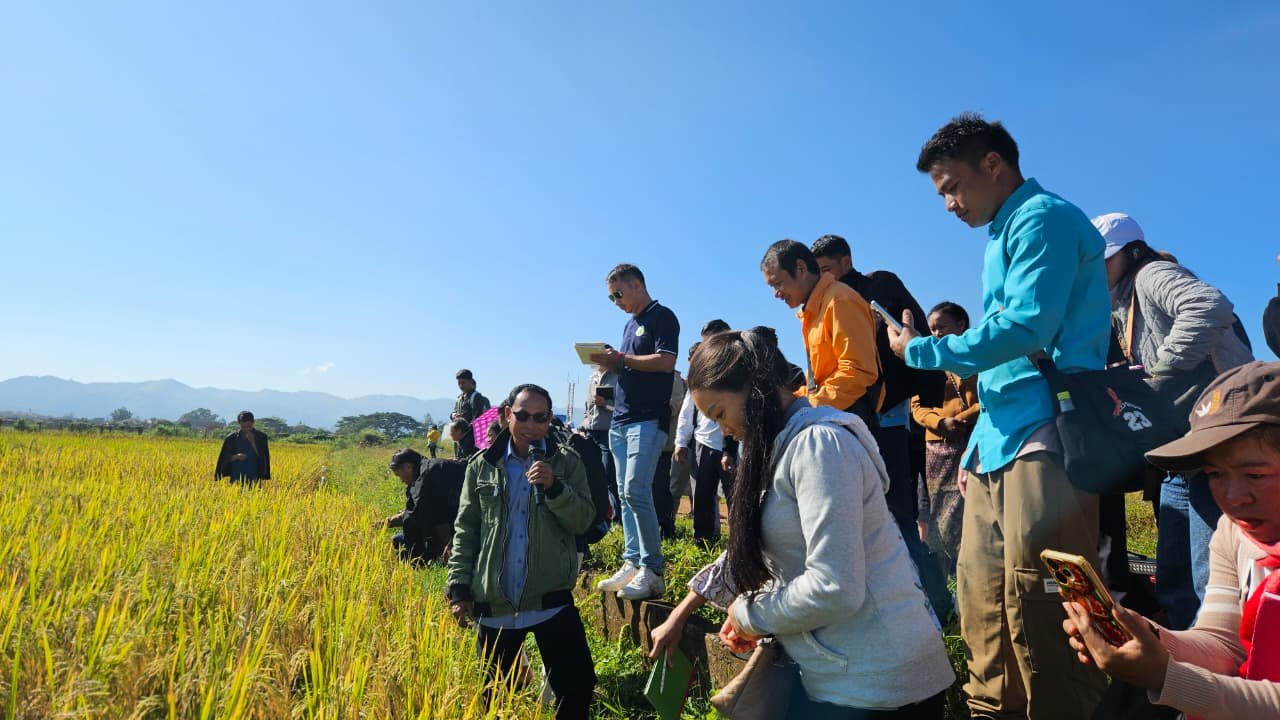
Under the Promotion of Sustainable Agricultural Practices (PSAP) component of the Climate Protection through Avoided Deforestation (CliPAD) project, a Farmer-to-Farmer Study Trip was recently organized to strengthen practical learning and peer-to-peer knowledge exchange among farmers and agricultural stakeholders.
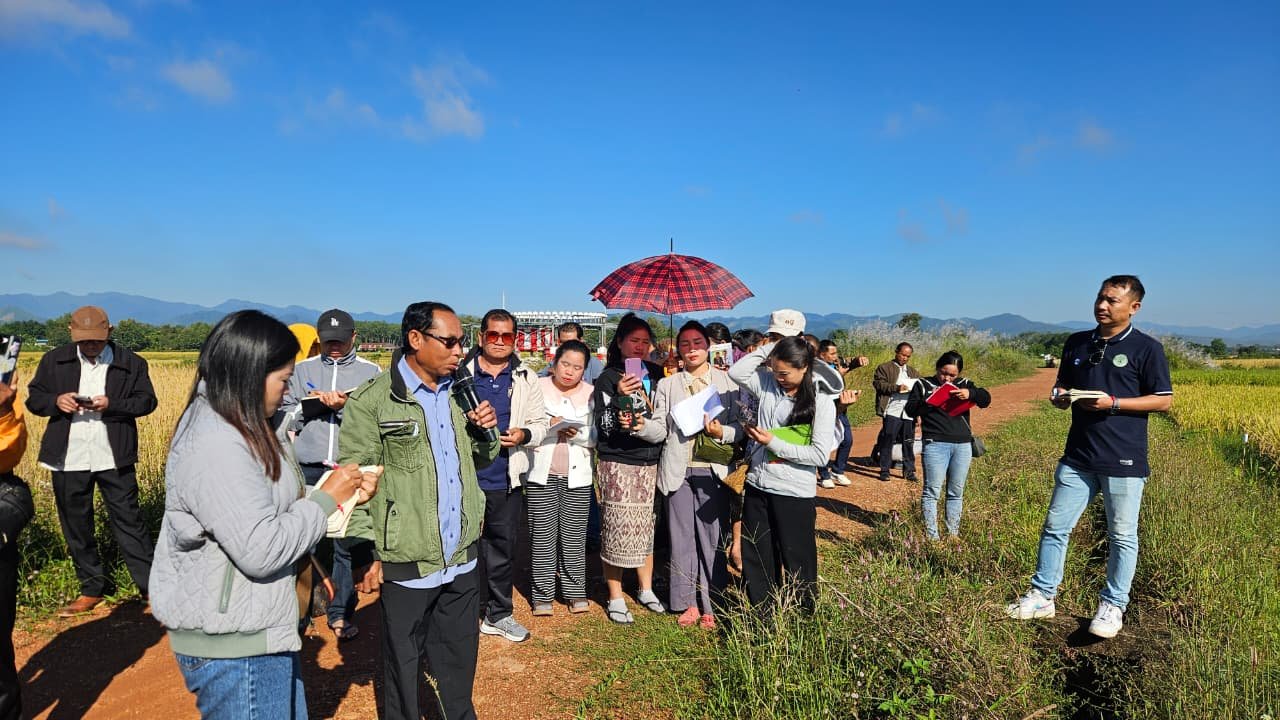
The activity brought together 61 participants, including 21 women, comprising representatives from the Provincial Agriculture and Environment Office (PAEO), District Agriculture and Environment Office (DAEO), GIZ advisors, and farmers from four target districts: Phonthong, Viengkham, Xiengngern, and Nan in Luang Prabang Province, Northern Laos. The study trip aimed to promote sustainable and non-chemical agricultural practices while enhancing farmers’ technical capacities and broadening their perspectives through explore more diverse crop production models.
Participants visited multiple learning sites across northern Lao PDR, including:
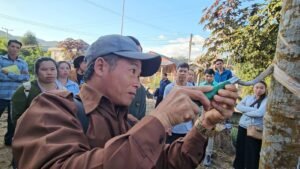
- Fruit tree plantations in Nam Bark District, Luang Prabang Province, focusing on integrated fruit tree plantations and maintenance techniques
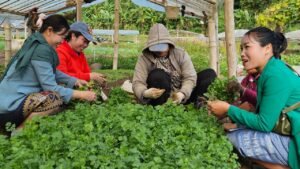
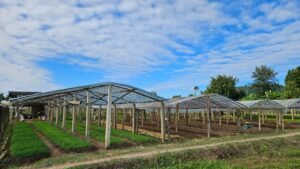
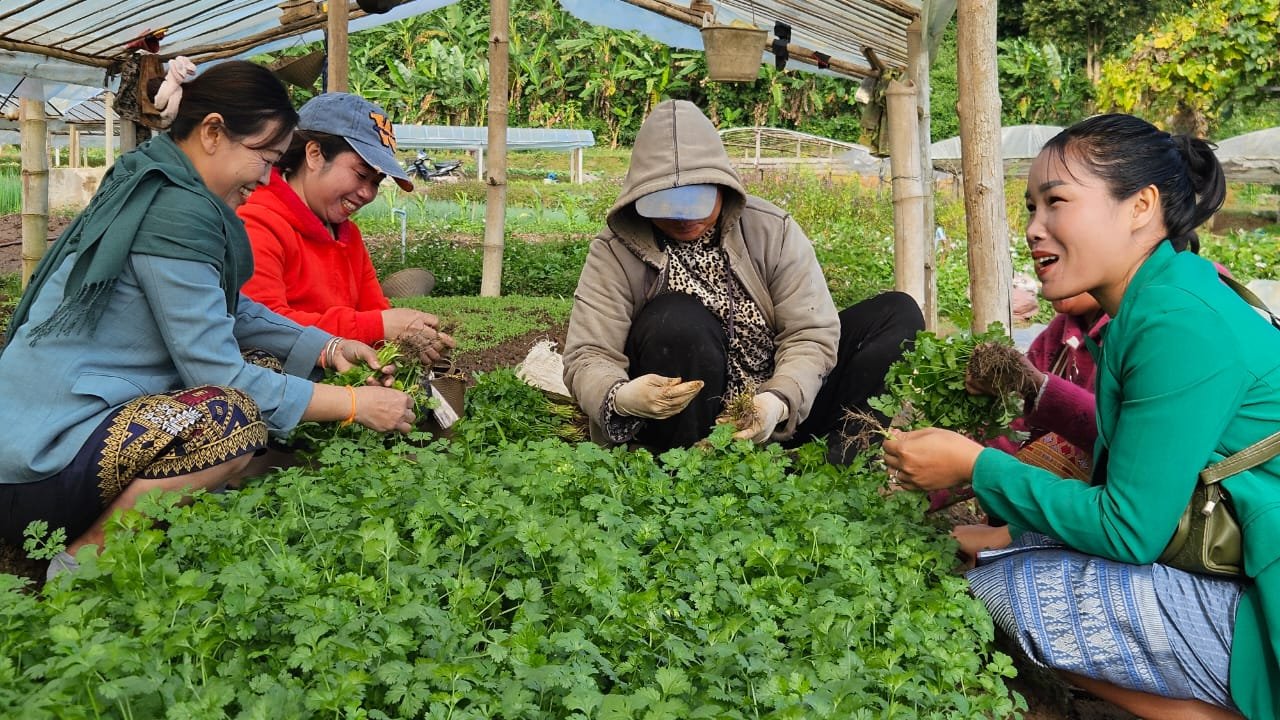
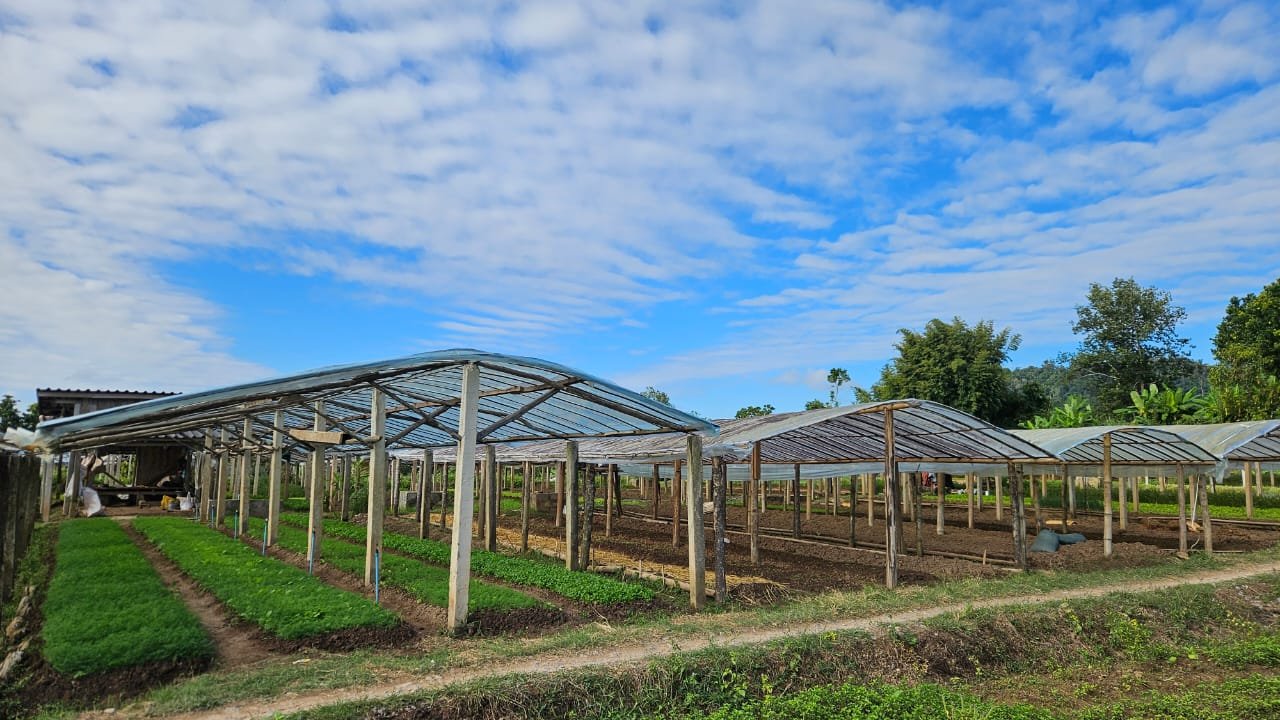
- Vegetable home gardens, including vegetable production in greenhouses in Xay District, Oudomxay Province[ML1] , highlighting organic pest and disease management
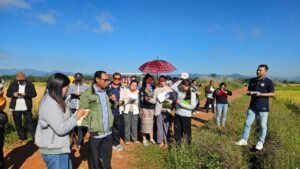
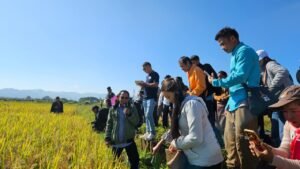
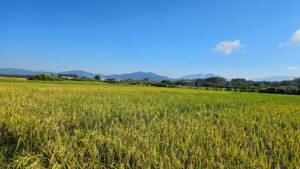
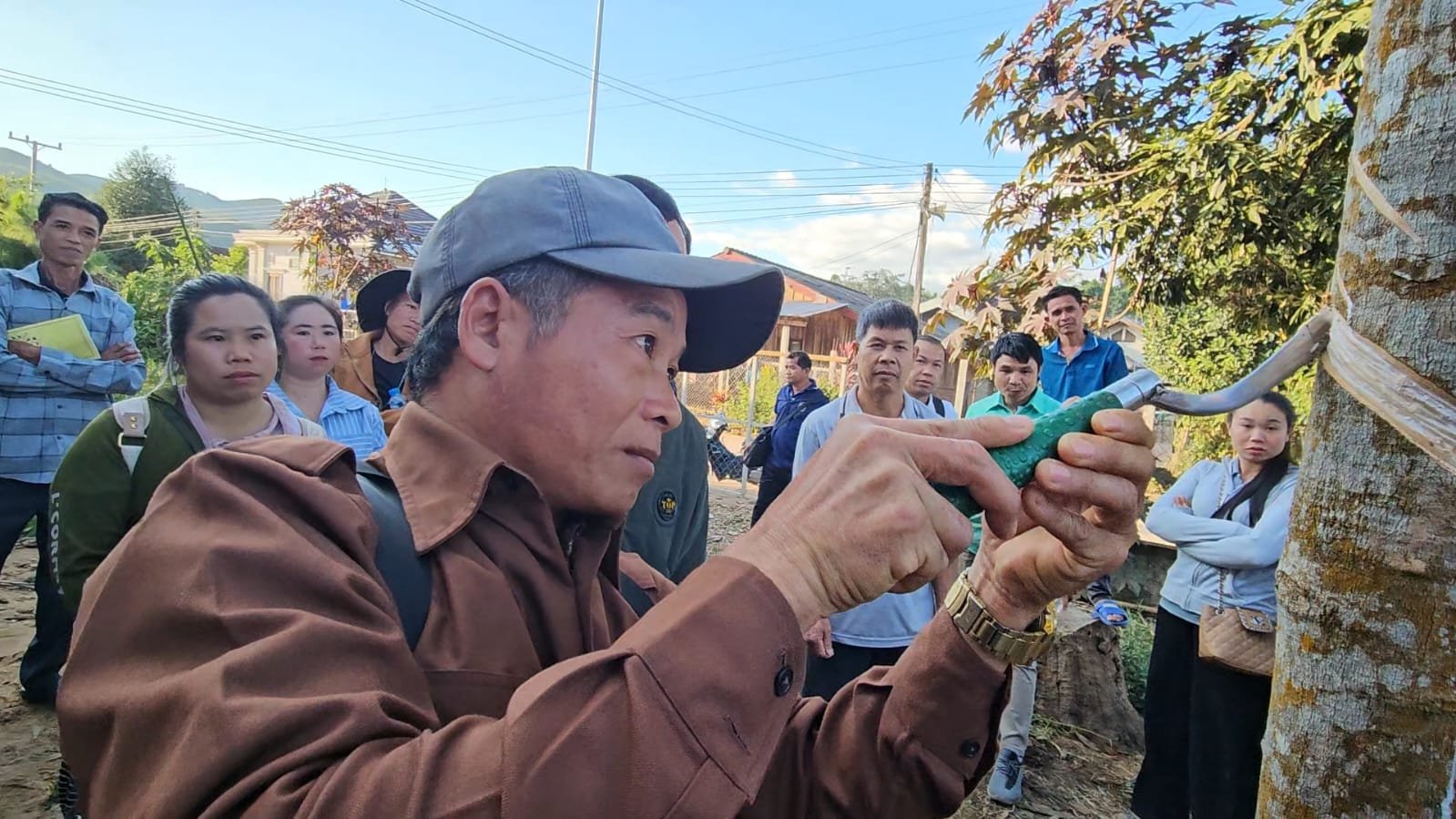
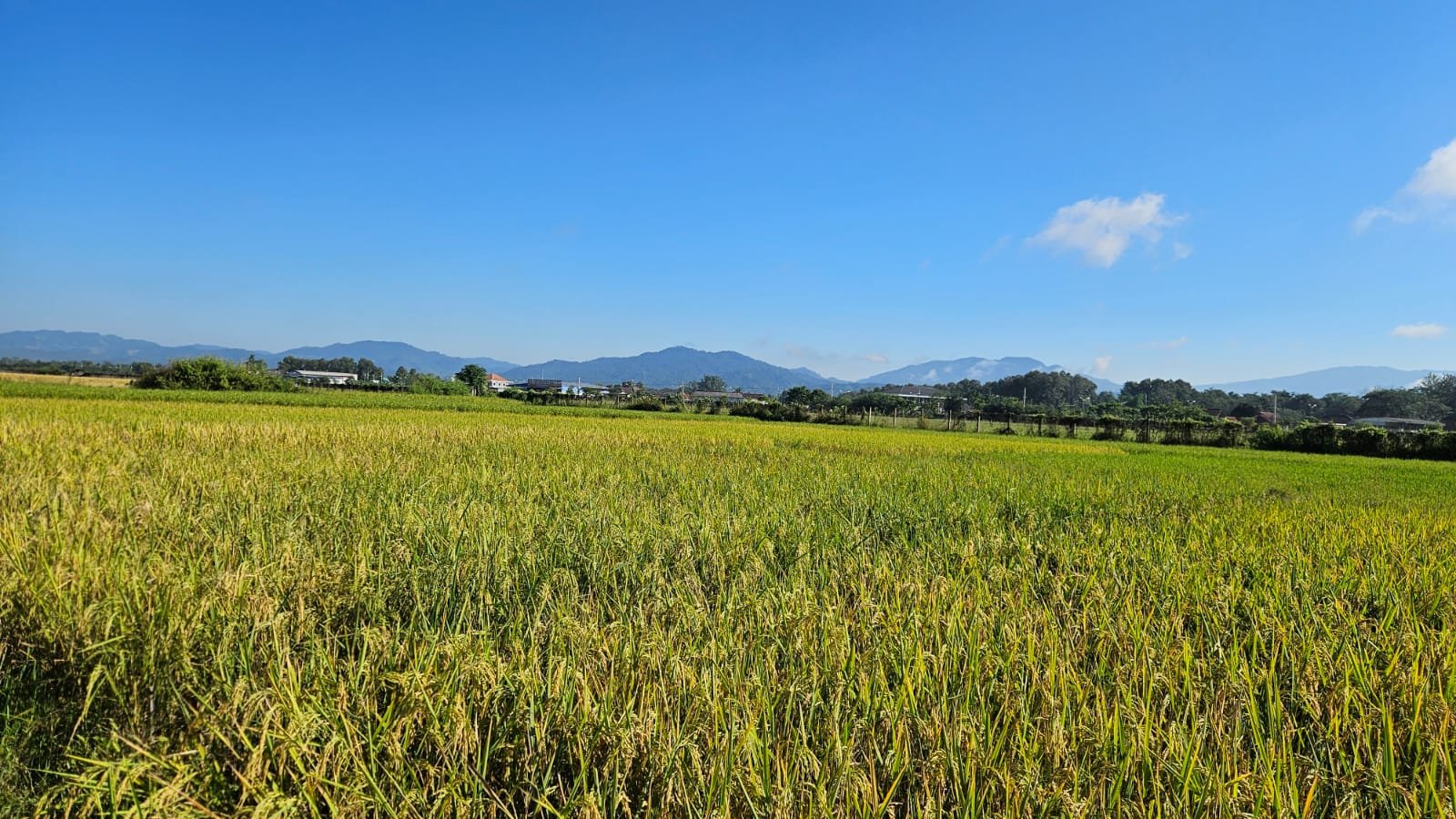
- Paddy fields and rubber plantations in Luang Namtha Province, covering rice seed management, harvesting, variety selection, rubber budding and tapping
Through direct observation and experience sharing, the Farmer-to-Farmer Study Trip supported the objectives of the PSAP component by enabling farmers to identify practical approaches that can be adapted based on their capacity and local contexts, contributing to more sustainable, climate-resilient, and deforestation-free agricultural practices and diversifying their livelihood activities. The CliPAD project is implemented by Deutsche Gesellschaft für Internationale Zusammenarbeit (GIZ) GmbH on behalf of the German Federal Ministry for Economic Cooperation and Development (BMZ) and co-financed by the Green Climate Fund (GCF).
ພາຍໃຕ້ອົງປະກອບ ການສົ່ງເສີມ ການເຮັດກະສິກຳ ແບບຍືນຍົງ ແລະ ບໍ່ມີການທຳລາຍປ່າໄມ້ (PSAP) ຂອງ ໂຄງການປ້ອງກັນດິນຟ້າອາກາດ ໂດຍຫຼີກລ້ຽງການທຳລາຍປ່າໄມ້ (CliPAD), ການເດີນທາງທັດສະນະສຶກສາ ໃນຮູບແບບຊາວກະສິກອນຮຽນຮູ້ຈາກຊາວກະສິກອນດ້ວຍກັນ ໄດ້ຖືກຈັດຂຶ້ນ ເມື່ອບໍ່ດົນມານີ້ ເພື່ອເສີມສ້າງ ການຮຽນຮູ້ຕົວຈິງ ແລະ ການແລກປ່ຽນຄວາມຮູ້ພາຍໃນກຸ່ມກະສິກອນ ກັບ ຜູ້ມີສ່ວນກ່ຽວຂ້ອງໃນຂະແໜງກະສິກຳ.
ກິດຈະກຳດັ່ງກ່າວ ມີຜູ້ເຂົ້າຮ່ວມທັງໝົດ 61 ຄົນ, ລວມມີແມ່ຍິງ 21 ຄົນ, ຊຶ່ງເປັນຜູ້ຕ່າງໜ້າ ຈາກ ພະແນກກະສິກຳ ແລະ ສິ່ງແວດລ້ອມແຂວງ (PAEO), ພະນັກງານວິຊາການ ຂອງ ຫ້ອງການກະສິກຳ ແລະ ສິ່ງແວດລ້ອມເມືອງ (DAEO), ທີ່ປຶກສາ GIZ, ແລະ ຊາວກະສິກອນ ຈາກ ສີ່ເມືອງເປົ້າໝາຍ ຄື: ເມືອງ ໂພນທອງ, ວຽງຄຳ, ຊຽງເງິນ, ແລະ ນານ. ການເດີນທາງທັດສະນະສຶກສາຄັ້ງນີ້ ມີຈຸດປະສົງ ເພື່ອສົ່ງເສີມ ການເຮັດກະສິກຳແບບຍືນຍົງ ແລະ ທີ່ບໍ່ນໍາໃຊ້ສານເຄມີ ພ້ອມທັງເສີມຂະຫຍາຍ ຄວາມອາດສາມາດ ດ້ານວິຊາການ ຂອງ ຊາວກະສິກອນ ແລະ ຜັນຂະຫຍາຍ ທັດສະນະຂອງເຂົາເຈົ້າ ໂດຍຜ່ານການສຳຜັດກັບ ຕົວແບບການຜະລິດ ທີ່ຫຼາກຫຼາຍ.
- ຜູ້ເຂົ້າຮ່ວມ ໄດ້ໄປຢ້ຽມຢາມສະຖານທີ່ຮຽນຮູ້ຫຼາຍແຫ່ງ ໃນທົ່ວພາກເໜືອ ຂອງ ສປປ ລາວ, ຊຶ່ງລວມມີ:
- ສວນປູກຕົ້ນໄມ້ໃຫ້ໝາກ ໃນເມືອງນ້ຳບາກ, ໂດຍສຸມໃສ່ ເຕັກນິກການປູກ ແລະ ບຳລຸງຮັກສາ ແບບປະສົມປະສານ
- ສວນຜັກ ແລະ ເຮືອນແກ້ວ ໃນແຂວງອຸດົມໄຊ, ທີ່ຍົກໃຫ້ເຫັນ ການຄວບຄຸມສັດຕູພືດ ແລະ ພະຍາດ ແບບບໍ່ໃຊ້ສານເຄມີ.
- ທົ່ງນາ ແລະ ສວນຢາງພາລາ ໃນແຂວງຫຼວງນ້ຳທາ, ທີ່ສອນເຕັກນິກການປູກເຂົ້າ, ການເກັບກ່ຽວ, ການຄັດເລືອກແນວພັນ, ການຂະຫຍາຍພັນ ດ້ວຍການຕໍ່ກິ່ງ, ແລະ ການກີດຢາງ.
ຜ່ານການສັງເກດການໂດຍກົງ ແລະ ການແລກປ່ຽນປະສົບການ, ການທັດສະນະສຶກສາ ໃນຮູບແບບຊາວກະສິກອນຮຽນຮູ້ຈາກຊາວກະສິກອນດ້ວຍກັນ ໄດ້ສະໜັບສະໜູນ ຈຸດປະສົງ ຂອງ ອົງປະກອບ PSAP ໂດຍການຊ່ວຍໃຫ້ຊາວກະສິກອນ ສາມາດກຳນົດ ວິທີການປະຕິບັດຕົວຈິງ ທີ່ສາມາດປັບຕົວເຂົ້າກັບ ສະພາບການທ້ອງຖິ່ນຂອງເຂົາເຈົ້າ, ເປັນການປະກອບສ່ວນເຂົ້າໃນ ການປັບປຸງ ຊີວິດການເປັນຢູ່ ທີ່ຕິດພັນກັບ ການເຮັດກະສິກຳແບບຍືນຍົງ, ທີ່ທົນທານຕໍ່ການປ່ຽນແປງຂອງດິນຟ້າອາກາດ, ແລະ ປາສະຈາກ ການທຳລາຍປ່າໄມ້. ໂຄງການ CliPAD ໄດ້ຮັບການຈັດຕັ້ງປະຕິບັດໂດຍ GIZ ໃນນາມຕ່າງໜ້າ ກະຊວງການຮ່ວມມືດ້ານເສດຖະກິດ ແລະ ການພັດທະນາ ຂອງ ລັດຖະບານເຢຍລະມັນ (BMZ) ແລະ ໄດ້ຮັບການຮ່ວມສະໜັບສະໜູນທຶນ ຈາກ ກອງທຶນດິນຟ້າອາກາດສີຂຽວ (GCF).