
Strengthening Sub-National Forest Monitoring under Climate Protection through Avoided Deforestation (CliPAD)
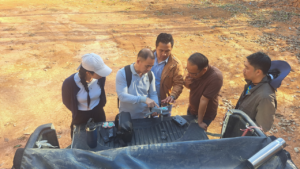
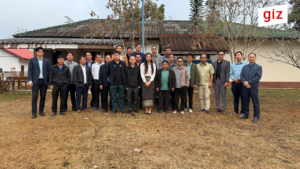
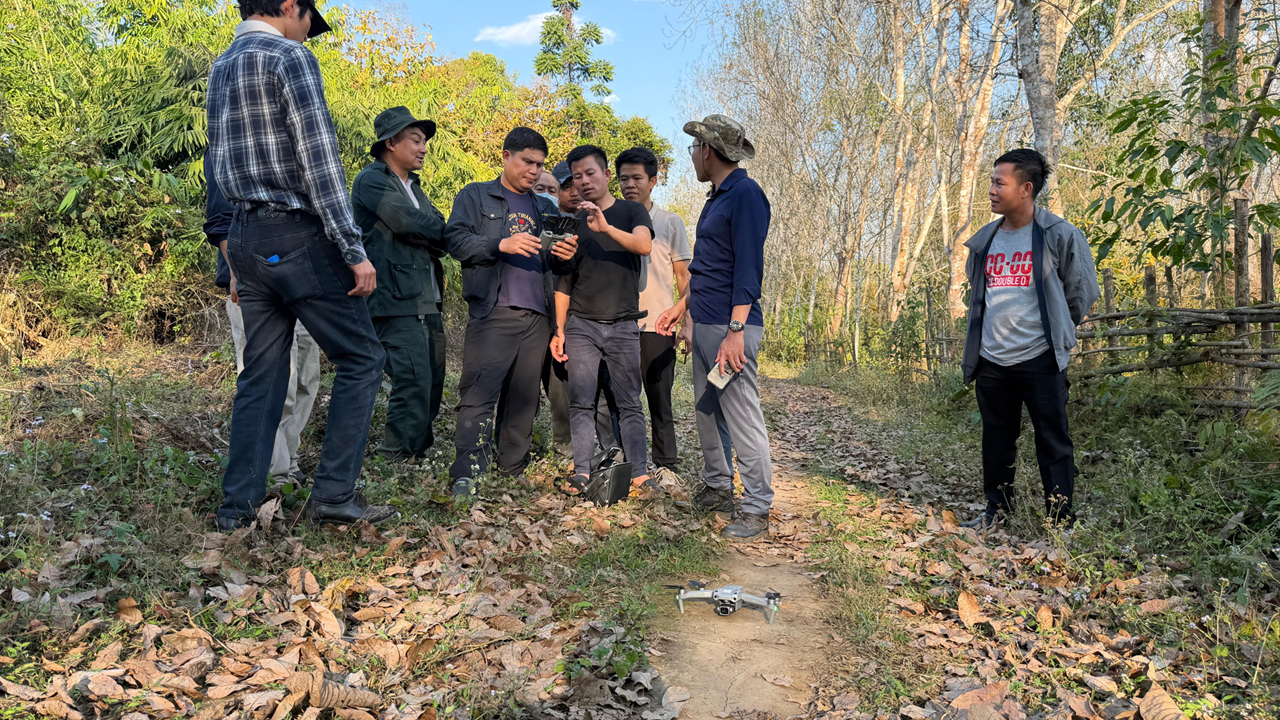
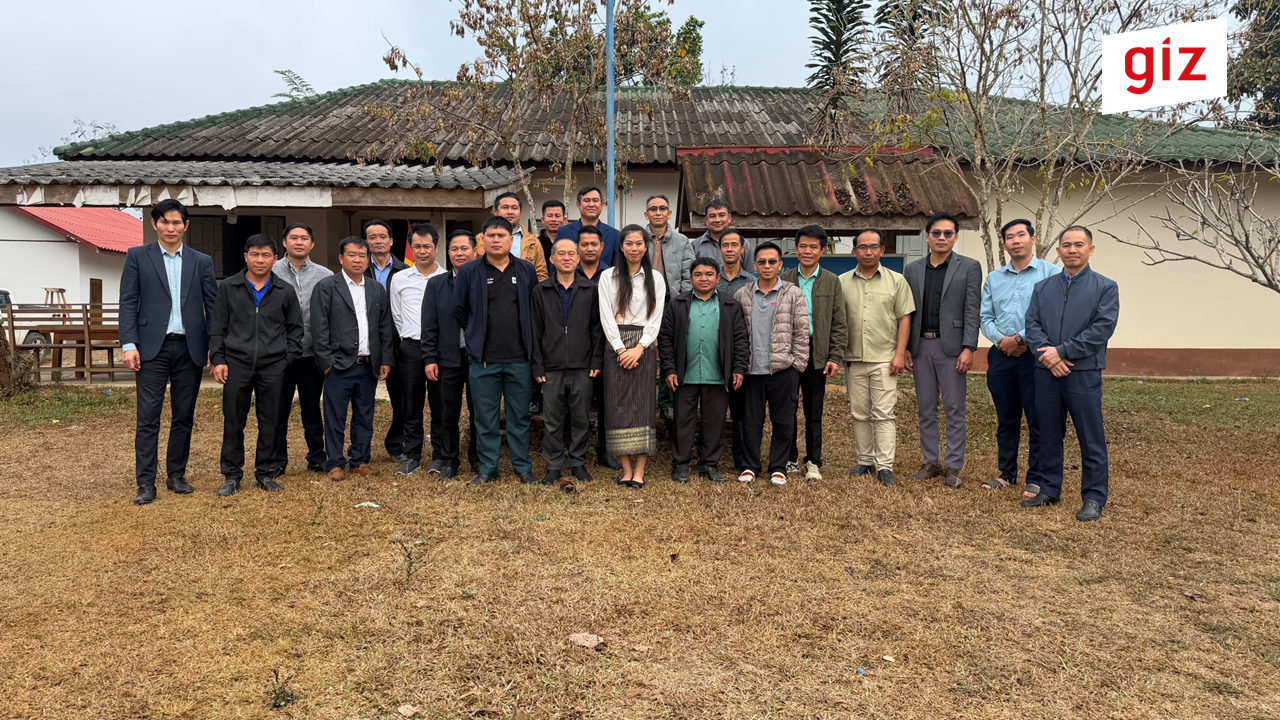
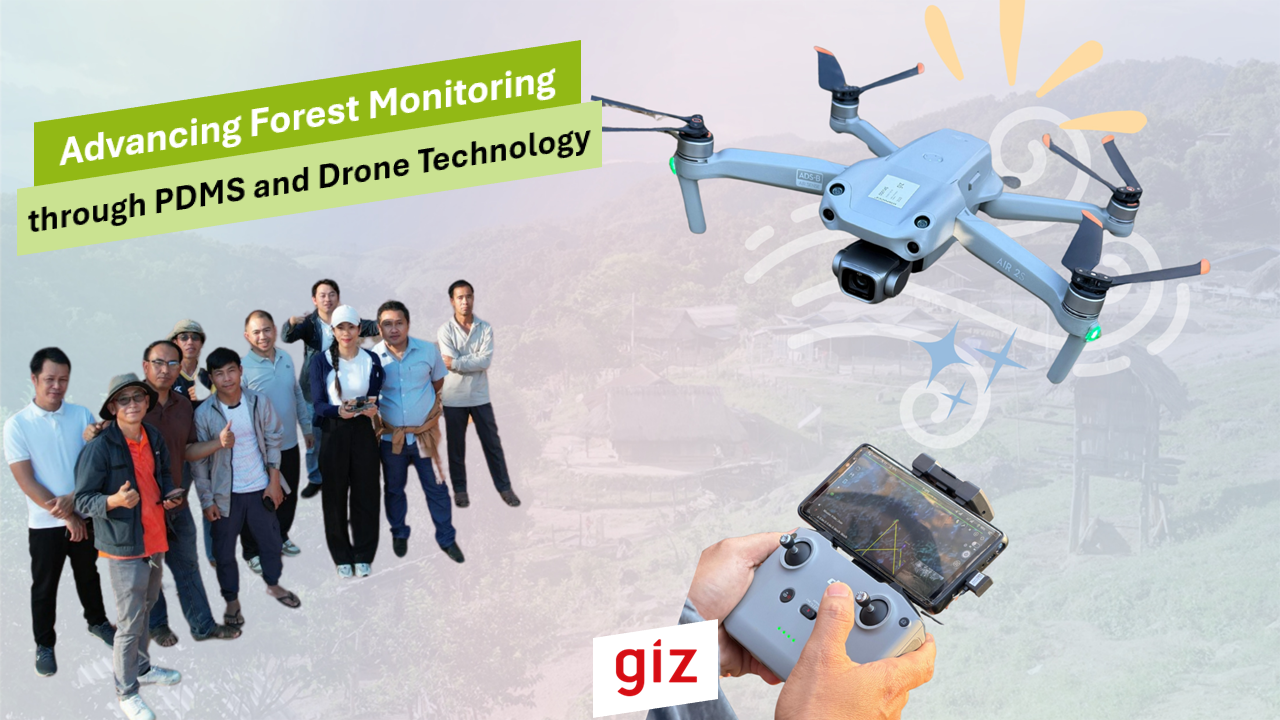
In February 2026, a five-day technical training was conducted in Mueng District, Bokeo Province, focusing on strengthening operational capacity for the Provincial Deforestation Monitoring System (PDMS) and the integration of Unmanned Aerial Vehicle (UAV)/Drone technology into forest monitoring processes.
The activity was implemented under Climate Protection through Avoided Deforestation (CliPAD), a EUR 62 million project co-financed by Germany and the Green Climate Fund. CliPAD contributes to Lao PDR’s Emission Reduction Programme and Nationally Determined Contributions (NDCs) by creating incentives to reduce emissions from deforestation and forest degradation.
Why this matters?
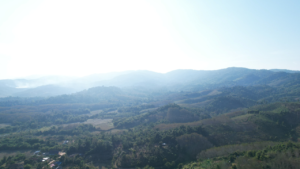
While national-level systems such as the National Forest Monitoring System (NFMS) provide strategic oversight, effective forest governance depends on strong implementation capacity at provincial and district levels. Sub-national authorities are responsible for verifying forest disturbance alerts, conducting field inspections, and generating structured monitoring reports.
Strengthening their technical and operational capacity ensures that monitoring systems are actively used for timely and transparent forest management.
What was covered?
The five-day program combined theory, system configuration, and practical application:
- Operational management of the Provincial Deforestation Monitoring System
- Data upload, dashboard interpretation, and report generation
- Standardized monitoring report development
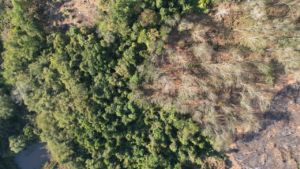
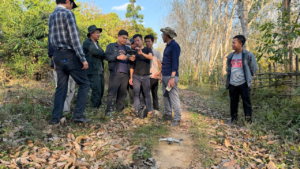
- Field simulations for disturbance verification
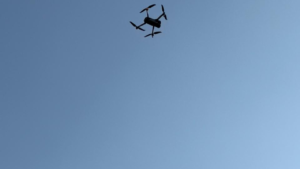
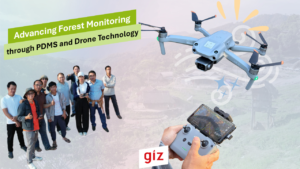
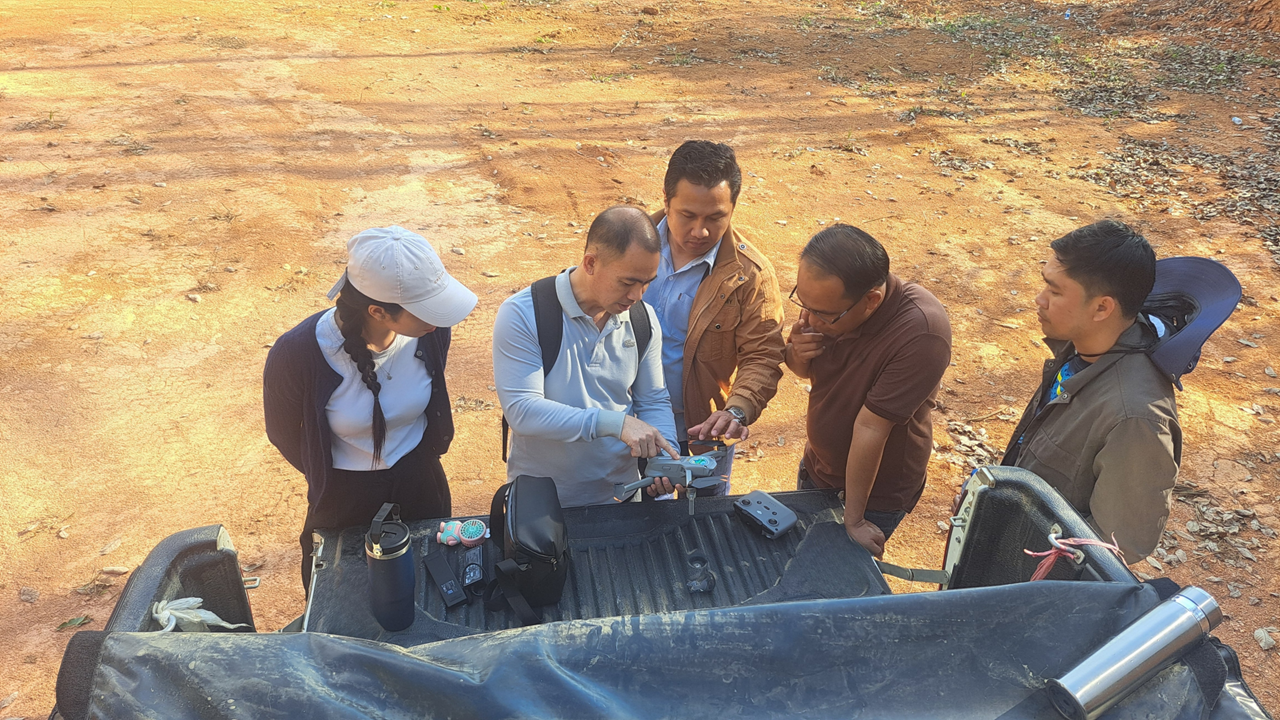
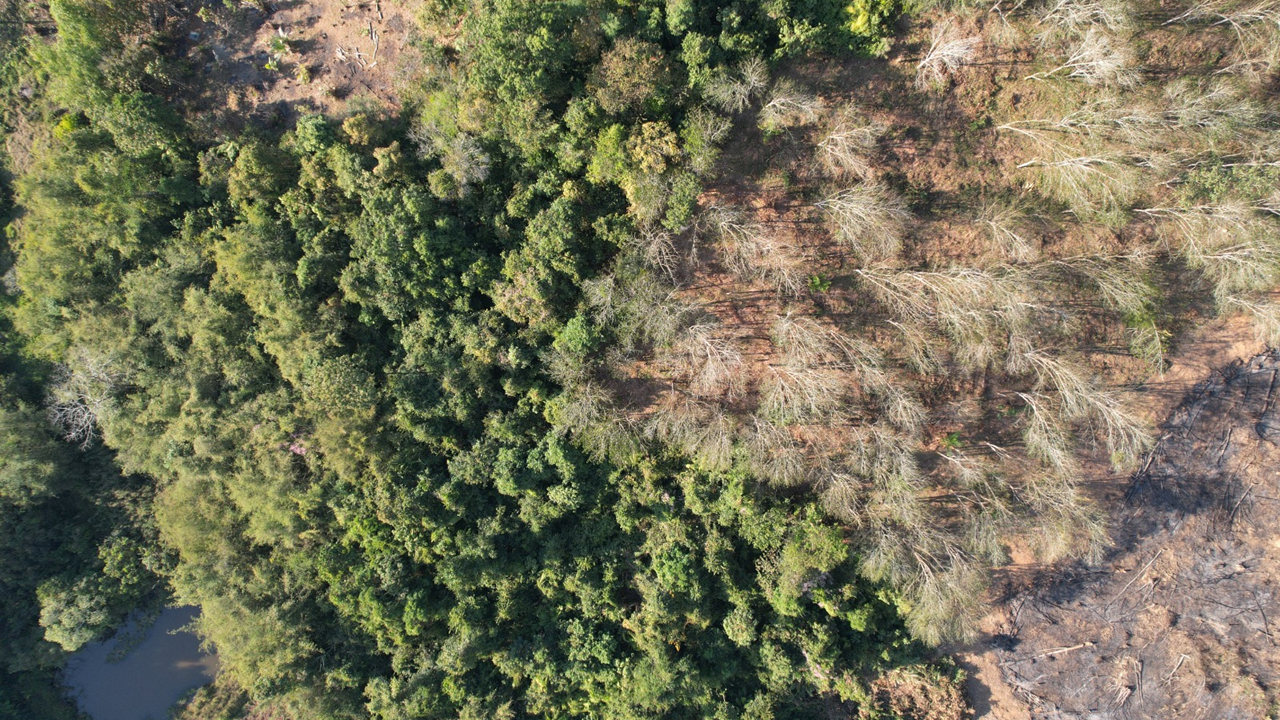
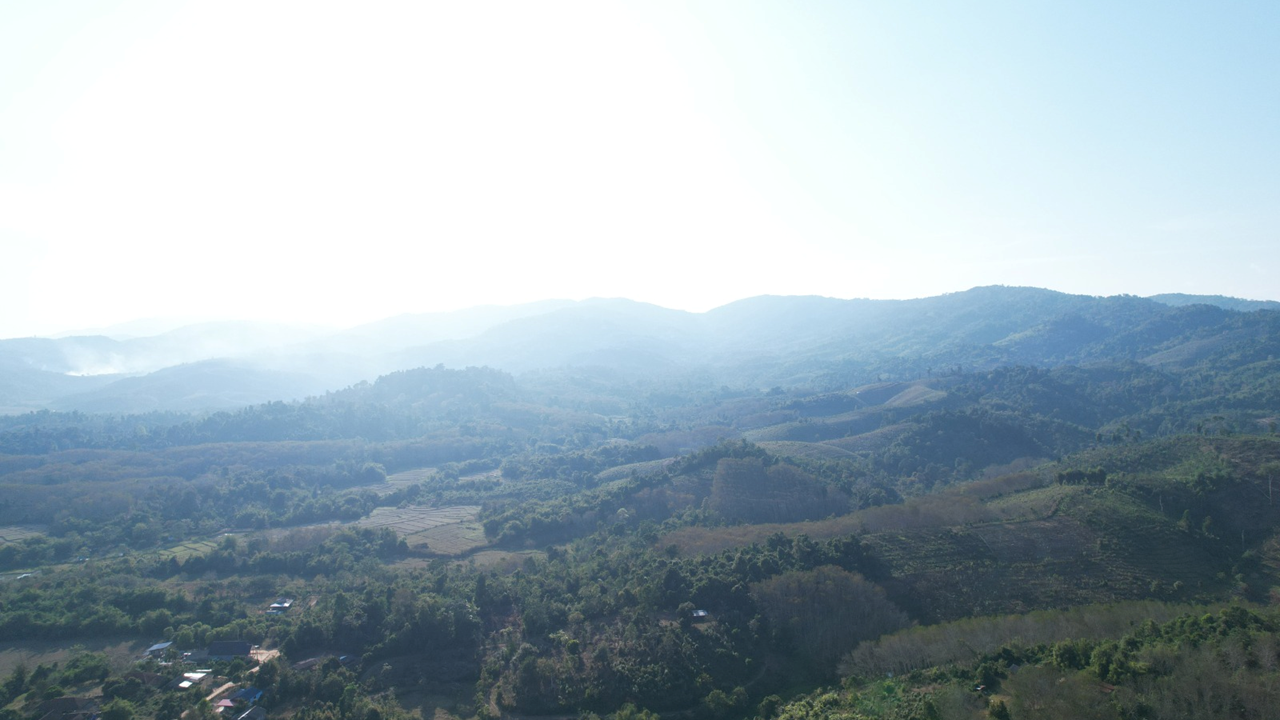
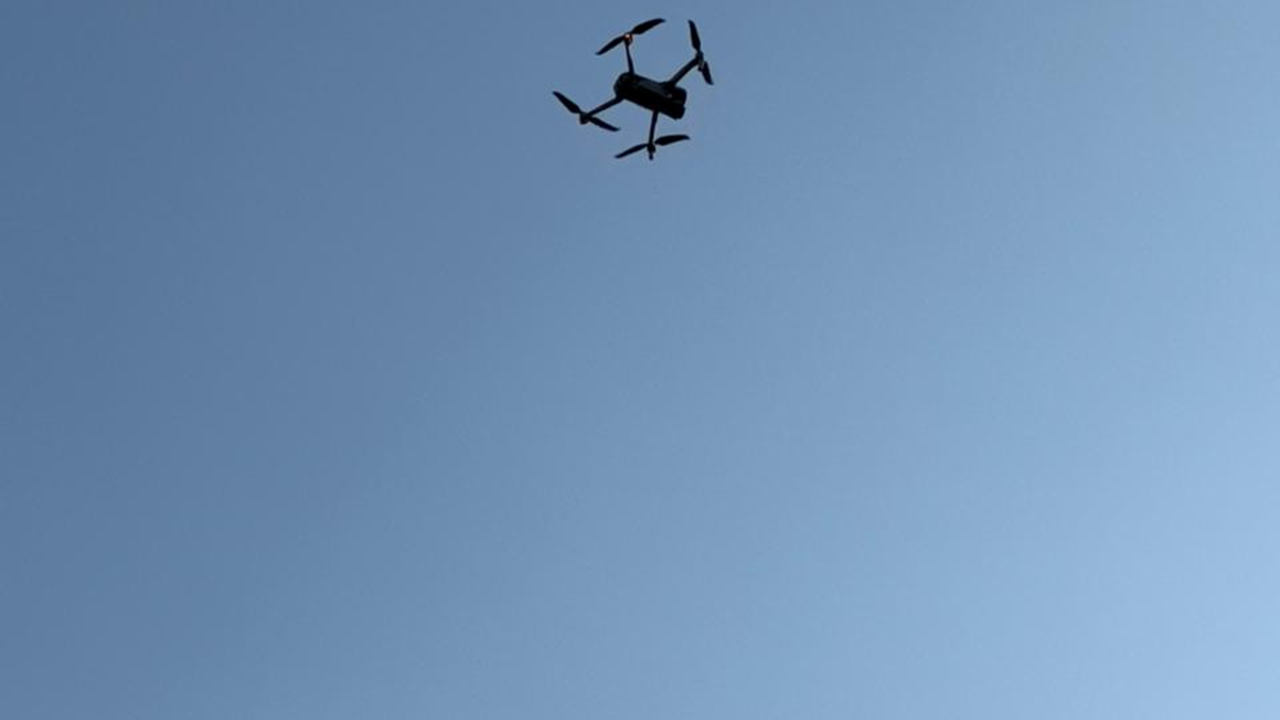
- Hands-on deployment of Unmanned Aerial Vehicles (DJI Air 2S) for aerial validation and visual documentation
Participants also discussed institutional roles and coordination mechanisms to ensure long-term sustainability of monitoring systems at sub-national level.
So what?
By strengthening the operational use of the Provincial Deforestation Monitoring System and integrating Unmanned Aerial Vehicle technology into verification processes, the initiative:
- Improves timely detection and validation of forest disturbances
- Enhances transparency and accountability in reporting
- Strengthens provincial ownership of monitoring systems
- Contributes to climate mitigation efforts
By the end of the project, these combined efforts aim to reduce 11.7 million tons of CO₂ equivalent, while strengthening sustainable livelihoods at village level.
ການພັດທະນາ ຂີດຄວາມສາມາດການກວດກາປ່າໄມ້ ພາຍໃຕ້ໂຄງການ ປ້ອງກັນດິນຟ້າອາກາດ ໂດຍການຫລີກລ້ຽງການທໍາລາຍປ່າໄມ້ (CliPAD)
ໃນເດືອນກຸມພາ 2026 ທີ່ ເມືອງເມິງງ, ແຂວງ ບໍ່ແກ້ວ ໄດ້ຈັດການຝຶກອົບຮົມ 5 ວັນ ເນັ້ນໃສ່ການນໍາໃຊ້ ລະບົບການຕິດຕາມ ການທໍາລາຍປ່າໄມ້ ຂັ້ນແຂວງ (Provincial Deforestation Monitoring System: PDMS) ຄຽງຄູ່ກັບການນໍາໃຊ້ ເຮືອບິນບໍ່ມີຄົນຂັບ (Unmanned Aerial Vehicle: UAV)/Drone ເພື່ອການກວດຢືນຢັນພາກສະໜາມ.
ກິດຈະກໍານີ້ ດໍາເນີນພາຍໃຕ້ ໂຄງການ CliPAD ໂຄງການມູນຄ່າ 62 ລ້ານເອີໂຣ ຮ່ວມສະໜອງທຶນໂດຍ ລັດຖະບານເຢຍລະມັນ ແລະ ກອງທຶນສະພາບອາກາດສີຂຽວ (Green Climate Fund) ເພື່ອສ້າງແຮງຈູງໃຈໃນການຫຼຸດຜ່ອນການປ່ອຍອາຍກາສຈາກການທໍາລາຍປ່າໄມ້.
ເປັນຫຍັງການຝຶກຄັ້ງນີ້ຈຶ່ງສໍາຄັນ?
ລະບົບດັ່ງກ່າວນີ້ ແມ່ນ ລະບົບຕິດຕາມກວດກາການທໍາລາຍ ປ່າໄມ້ຂັ້ນແຂວງ ເຊິ່ງມີການຮັບຮອງເພື່ອນໍາໃຊ້ໃນລະດັບຊາດ (ທົ່ວປະເທດ) ເຊັ່ນ ລະບົບຕິດຕາມກວດກາປ່າໄມ້ແຫ່ງຊາດ (National Forest Monitoring System: NFMS) ໂດຍຂັ້ນສູນກາງຈະຮັບຜິດຂອບເລື່ອງລະບົບ ແລະ ນະໂຍບາຍ ແຕ່ການປະຕິບັດງານໃນພາກສະໜາມ ແມ່ນຍັງຕ້ອງເພິ່ງພາອາໄສ ທິມງານຂອງຂັ້ນແຂວງ ແລະ ເມືອງ.
ການເສີມສ້າງຂີດຄວາມສາມາດ ໃນການນໍາໃຊ້ PDMS ແລະ UAV/Drone ຊ່ວຍໃຫ້ພາກລັດ ສາມາດກວດພົບ, ຢືນຢັນ ແລະ ລາຍງານ ການທໍາລາຍປ່າໄມ້ ໄດ້ຢ່າງທັນເວລາ ແລະ ໂປ່ງໃສ.
ເນື້ອໃນການຝຶກອົບຮົມ
ການຝຶກ 5 ວັນ ປະກອບມີ:
- ການຕິດຕັ້ງ, ລົງທະບຽນ ແລະ ຄຸ້ມຄອງລະບົບ PDMS
- ການອັບໂຫລດ ແລະ ວິເຄາະຂໍ້ມູນ
- ການສ້າງບົດລາຍງານມາດຕະຖານ
- ການຈໍາລອງສະຖານະການກວດຢືນຢັນການທໍາລາຍປ່າໄມ້
- ການນໍາໃຊ້ UAV/Drone (DJI Air 2S) ເພື່ອຖ່າຍພາບອາກາດ, ປະມວນພາບ ແລະ ຢືນຢັນຂໍ້ມູນພາກສະໜາມ ໂດຍການນໍາໃຊ້ເຂົ້າໃນລະບົບແຜນທີ່ (GIS)
ຜົນຄາດຫວັງ:
ການພັດທະນາຂີດຄວາມສາມາດ ການນໍາໃຊ້ PDMS ແລະ UAV/Drone ໃນລະດັບຂັ້ນແຂວງ ແລະ ເມືອງ:
- ເພີ່ມຄວາມວ່ອງໄວ ແລະ ທັນເວລາ ໃນການຕິດຕາມກວດກາພື້ນທີ່ການທໍາລາຍປ່າໄມ້
- ເພີ່ມຄວາມລະອຽດ ແລະ ໂປ່ງໃສ ໃນການລາຍງານ
- ເພີ່ມທະວີຄວາມເປັນເຈົ້າຕົນເອງ ໃນການຕິດຕາມກວດກາ ການທໍາລາຍປ່າໄມ້ຂອງໜ່ວຍງານທີ່ກ່ຽວຂ້ອງພາກລັດ
ໂດຍສຸດທ້າຍ ໂຄງການ CliPAD ມີເປົ້າໝາຍ ຫຼຸດຜ່ອນ 11.7 ລ້ານຕັນ CO₂ equivalent ພ້ອມກັບ ການເສີມສ້າງຊີວິດຄວາມເປັນຢູ່ ຢ່າງຍືນຍົງ ໃນລະດັບບ້ານ.